Elbow pain is one of those things people often ignore … until gripping a coffee cup or turning a door handle suddenly hurts. Two of the most common causes we see in the clinic are tennis elbow and golfer’s elbow, and despite their names, you don’t need to play either sport to develop them.
Let’s break down what’s actually going on, how to tell them apart, and what helps aid recovery.
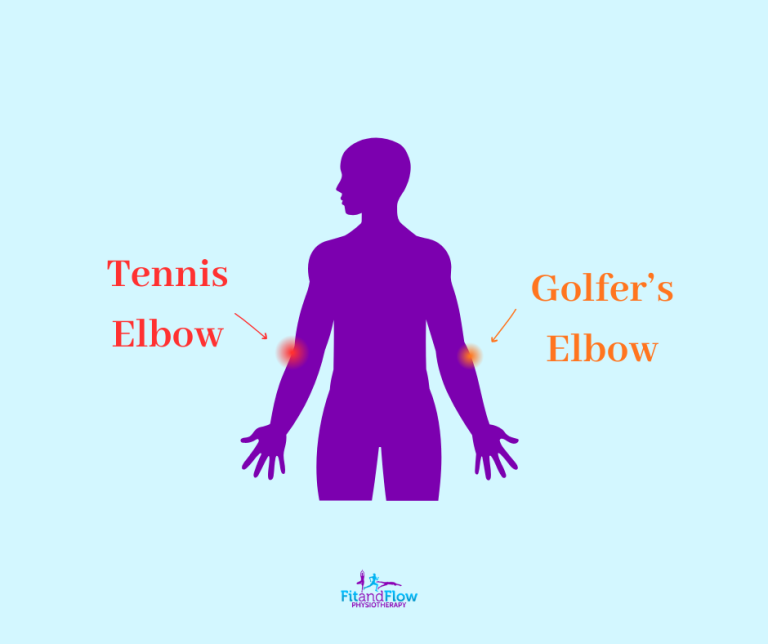
The Key Difference: Pain Location
– Tennis elbow causes pain on the outside (lateral) of the elbow
– Golfer’s elbow causes pain on the inside (medial) of the elbow
Both involve irritation or overload of tendons where the forearm muscles attach at the elbow, just on opposite sides.
What Is Tennis Elbow?
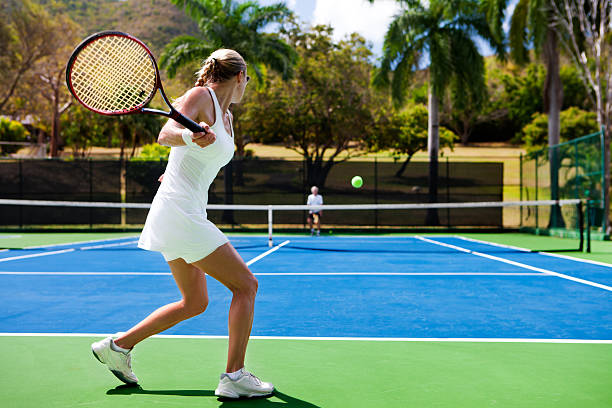
Tennis elbow (lateral epicondylalgia) affects the tendons responsible for wrist and finger extension as well as gripping.
Common symptoms:
– Pain on the outside of the elbow
– Pain with gripping, lifting or twisting
– Weakness when holding objects
– Symptoms that worsen with repetitive use
Common causes:
– Repetitive gripping or lifting
– Manual or trade work
– Gym exercises (especially grip-heavy movements)
– Desk work with poor ergonomics
– Racquet sports (but often not the main cause)
What is Golfer’s Elbow?
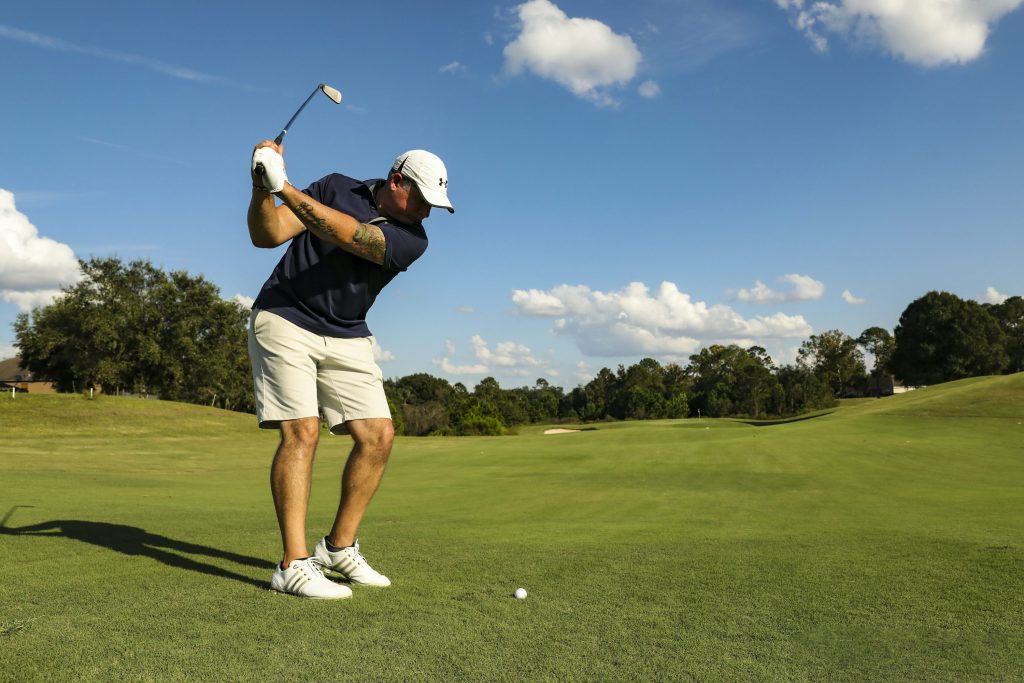
Golfer’s elbow (medial epicondylalgia) affects the tendons involved in wrist flexion and forearm pronation (palm facing down).
Common Symptoms:
– Pain on the inside of the elbow
– Pain with gripping, pulling or wrist bending
– Stiffness or aching after activity
– Occasionally symptoms radiating into the forearm
Common causes:
– Repetitive wrist flexion
– Throwing sports
– Weight training
– Work involving sustained gripping or pulling
– Sudden increase in load or training volume
Why These Injuries Can Be More Common Around Menopause
We’re seeing increasing awareness that tendon pain becomes more common during peri-menopause and menopause, even without a clear injury or change in activity. During menopause, oestrogen levels decline, and oestrogen plays an important role in tendon health. Reduced oestrogen can lead to:
– Decreased tendon elasticity
– Slower tendon repair and recovery
– Reduced collagen production
– Lower tolerance to repetitive or sudden load
This means activities that were previously well tolerated can suddenly trigger pain. Tennis and golfer’s elbow may develop gradually and unexpectedly, or take longer to settle during this stage of life.
Women often report:
– Elbow pain appearing “out of nowhere”
– Symptoms flaring with everyday tasks
– Tendon pain lingering longer than expected
– Multiple tendon issues occurring around the same time
This does not mean the tendon is weak or damage, but it does mean it may need more considered load management.
What Actually Helps Recovery?
Although tennis and golfer’s elbow affect different tendons, treatment principles are very similar.
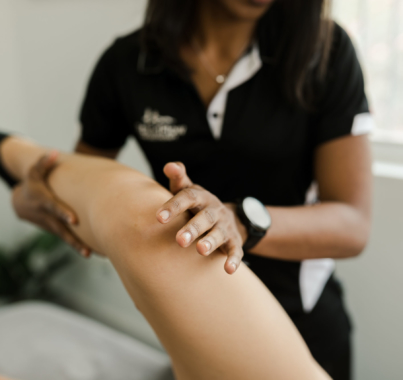
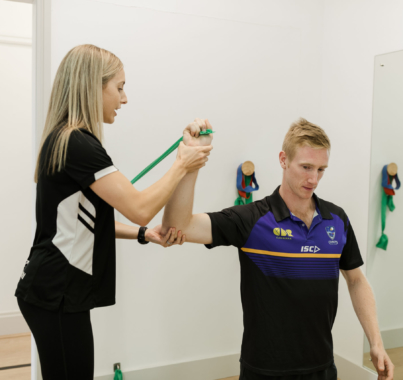
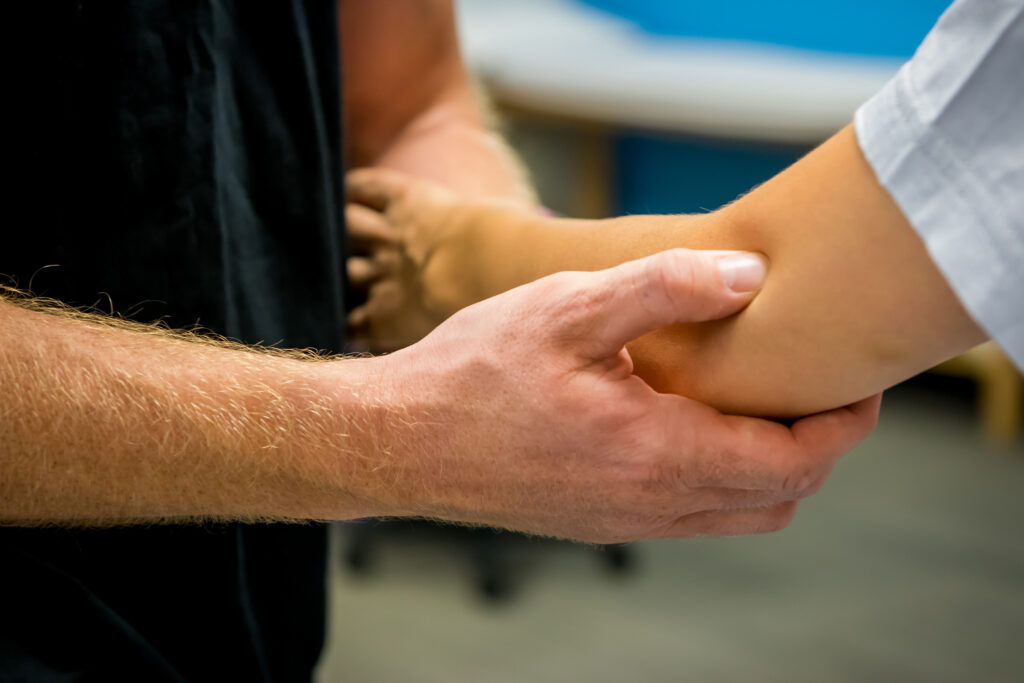
Physiotherapy can help by:
– Identifying the source of overload
– Modifying aggravating activities without stopping everything
– Prescribing targeted strengthening exercises
– Improving tendon load tolerance
– Addressing shoulder, wrist, or neck contributions
– Guiding return to work, sport or gym safely
When Should You See A Physio?
You don’t need to wait until pain becomes severe or constant. Early assessment can:
– Shorten recovery time
– Reduce flare-ups
– Prevent compensation injuries
– Build confidence to keep moving safely
If elbow pain has lasted more than a few weeks, keeps flaring or limiting daily tasks, it’s worth getting an assessment. We’re here to help! Contact us for an appointment to create an individualised treatment plan today.