
Bone stress injuries sit on a spectrum, from early stress reactions through to stress fractures – and they occur when bone breakdown temporarily outpaces bone repair. The key idea is that bone is dynamic tissue, constantly adapting to load. When the balance tips too far in one direction, especially over time, injury risk increases.
These risk factors rarely act in isolation. Most cases involve a combination of training load, recovery capacity, and individual physiology.
1. TRAINING LOAD FACTORS
Sudden increases in training load
One of the strongest risk factors is a rapid spike in load, for example, increasing running volume, intensity, or impact work too quickly. Bone adapts to load, but it needs time. When load is progressed faster than bone can remodel, micro-damage accumulates.
Change in training surface or terrain
Switching from softer to harder surfaces (eg. grass to pavement), or introducing hills, intervals or plyometric without gradual progress can significantly increase bone stress.
Repetitive impact sports
Sports involving high repetition loading such as running, gymnastics, basketball etc place continuous stress on bone, especially when combined with limited recovery.

2. RECOVERY AND ENERGY AVAILABILITY
Low Energy Availability
Low energy availability occurs when there is insufficient energy intake to support both exercise demands and the body’s basic physiological functions (eg. Bone turnover, hormone regulation, and immune fuction). This can occur both intentionally (dieting, weight goals) or unintentionally (high training loads without matching fuelling).
Common indicators may suggest low energy availability include:
– Persistent fatigue or poor recovery from training
– Unintentional weight loss or difficulty maintain weight
– Increased frequency of niggles or overuse injuries
– Reduced performance or training tolerance
– In some cases (particularly females), menstrual disturbances or loss of regular cycles.
Importantly, LEA does not only affect elite athletes, it can occur in recreational runners, adolescents, and individuals increasing training load without adjusting nutrition appropriately.
A sports dietitian plays a key role in assessment and management, helping to identify energy gaps, optimise fuelling around training and support adequate intake for bone health, recovery, and performance.
Inadequate recovery time
Bone requires recovery days to complete its remodelling process. Back-to-back high-load session without sufficient rest can tip the balance toward breakdown.
Sleep deficits
Sleep is a key time for tissue repair and hormonal regulation. Poor or insufficient sleep can negatively impact bone recovery and adaption.
3. BIOMECHANICAL AND STRUCTURAL FACTORS
Previous bone stress injury
A history of bone stress significantly increase recurrence risk, particularly if underlying contributing factors were not addressed.
Muscle strength and capacity deficits
Reduced strength or fatigue in key muscle groups can shift load directly onto bone, increasing stress.
4. HORMONAL AND PHYSIOLOGICAL FACTORS
Low oestrogen or menstrual dysfunction
Hormonal disruption can reduce bone density and impair bone remodelling capacity, increasing susceptibility to stress injury.
Low bone mineral density
Reduced bone density means less structural strength to tolerate repetitive load. This can increase susceptibility to bone stress injury, even with training loads that would otherwise be well tolerated.
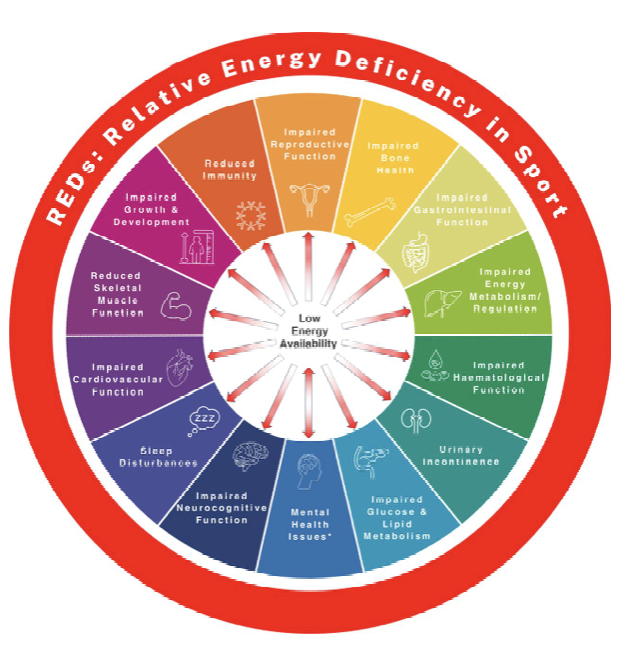
Relative energy deficit in sport (RED-S)
A broader condition affecting metabolic, hormonal, and bone health due to chronic energy imbalance.
5. ATHLETE AND LIFESTYLE FACTORS
High training motivation / pain ignoring behaviour
Continuing to train through early symptoms is a common factor that allows stress reaction to progress.
Adolescence and growth phases
During growth spurts, bone remodelling is already increased, and coordination between bone lengthening and strengthening may be temporarily mismatched.
KEY TAKEAWAY
Bone stress injuries are rarely caused by a single factor. They occur when load exceeds recovery capacity over time, influenced by training habits, nutrition, biomechanics, and physiology.
Early recognition of risk factors and modifying load before pain escalates, is one of the most effective ways to prevent progression from a stress reaction to a stress fracture.