
Have you ever noticed your jaw feeling tight after a long day, experienced headaches around your temples, or felt tension through your neck alongside jaw discomfort?
The jaw and neck work closely together, and symptoms don’t always occur in isolation. While jaw pain can have several causes, understanding how these areas interact can be an important step towards finding the right approach to treatment.
Understanding the Jaw and Neck Connection
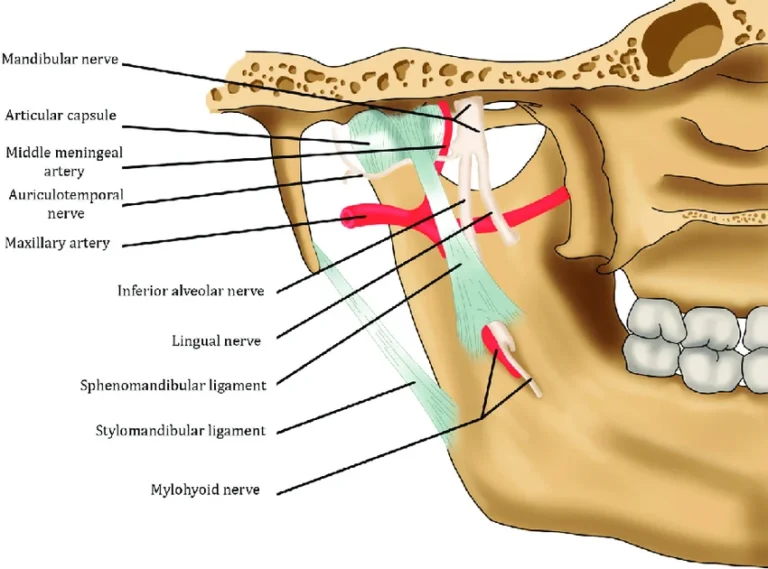
Your temporomandibular joints (TMJs) sit just in front of your ears and connect your lower jaw to your skull. They allow you to open and close your mouth, chew, speak and yawn.
However, jaw movement doesn’t happen in isolation. It involves a coordination relationship between the jaw joints, surrounding muscles, the neck and other structures that help support your head and control movement.
This is one reason why someone experiencing jaw pain may also notice neck stiffness, headaches around their temples or tension between shoulder blades.

The Muscular Connection Between Your Jaw, Neck and Shoulders
Several muscles involved in jaw movement also interact with the structures of the neck and upper body.
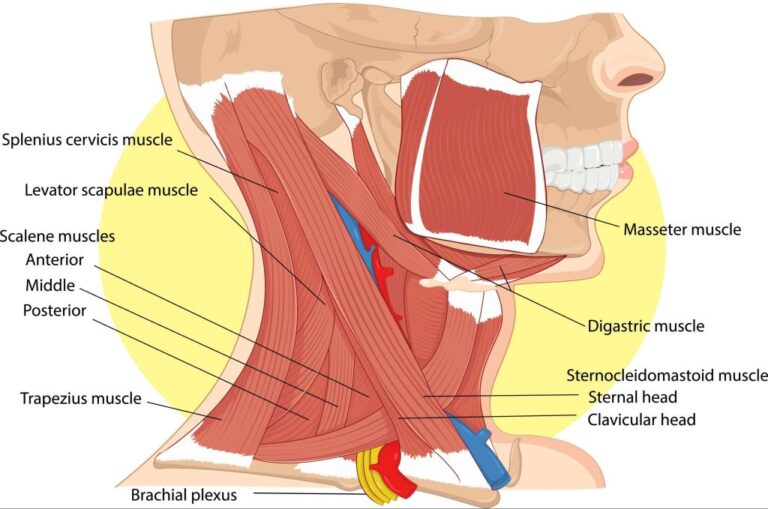
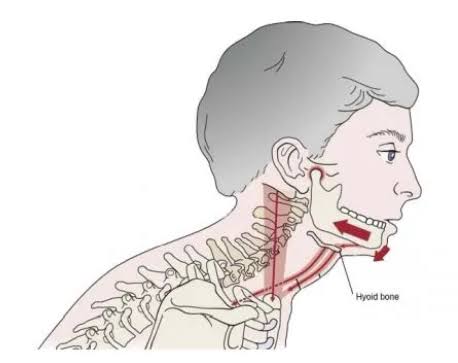
For example, the muscles surrounding the hyoid bone – a small bone at the front of your neck – play an important role in jaw movement, swallowing and controlling the position of the hyoid.
Some of these muscles connect the hyoid to the jaw or skull, while others connect it to structures in the neck and shoulder region. The omohyoid, for example, attaches to the scapula (shoulder blade) via an intermediate tendon and helps control hyoid position.
Other muscles, such as sternocleidomastoid (SCM), help control head and neck movement. The SCM attaches to the sternum and clavicle below and the mastoid process of the skull above. Although it doesn’t attach directly to C1 or C2, its function contributes to head and neck positioning.
Together, these muscles help coordinate movement and stability across the jaw, neck and upper body. Their function can be relevant when assessing someone with jaw discomfort, particularly if they also experience neck stiffness or tension around the front of the neck and shoulders.
What is the connection between the upper neck and the jaw joint?
The upper cervical spine, particularly the first two vertebrae (C1 and C2), plays an important role in head movement and positioning.
The upper cervical region also has neurological connections with the sensory system supplying the face and jaw. Sensory information from the trigeminal nerve, which supplies much of the face,
and the upper cervical nerves converges within a region of the nervous system known as the trigeminocervical complex.
This helps explain why pain originating from the upper neck can sometimes be felt in the head or face, and why some headache presentations involve both cervical and facial symptoms.
The jaw and upper cervical spine also work together during everyday activities. Changes in head position can influence jaw muscle activity and movement strategies, although this doesn’t mean that neck dysfunction is necessarily the cause of jaw pain.
Importantly, the TMJ doesn’t directly articulate with C1 or C2. Rather, their relationship involves shared muscular function, movement coordination and neurological pathways.
Understanding these connections can help a physiotherapist consider whether the jaw, neck or both may be contributing to someone’s symptoms.
How can neck posture influence the jaw?
The position of your head and neck can influence your jaw’s resting position, muscle activity and movement.
A forward head position, sometimes referred to as a chin poke, occurs when your head sits further forward relative to your shoulders. This can change the coordination and demands placed on the muscles involved in jaw and neck movement.
For some people, prolonged positions, such as working at a computer or looking down at a phone, may contribute to jaw muscle tension or aggravate existing symptoms, particularly alongside factors such as clenching or stress.
However, a forward head position doesn’t automatically cause jaw pain or mean the TMJ is being damaged. There is no single perfect posture, and symptoms vary between individuals.
Rather than trying to maintain a rigidly upright position, aim to vary your posture, take regular movement breaks and find comfortable ways to work and move.
If your neck position appears to aggravate your jaw symptoms, a physiotherapist can assess both areas and help identify appropriate strategies.
What can contribute to jaw and neck pain?
Jaw and neck discomfort can develop for a number of reasons, and contributing factors differ between individuals.
Some factors that may be relevant include:
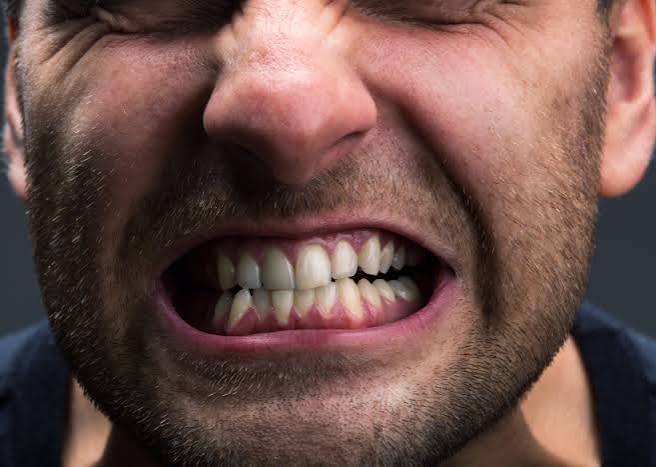
Jaw clenching or teeth grinding: Repeated or sustained clenching can contribute to muscle fatigue, tenderness and discomfort around the jaw.
Muscle sensitivity: The jaw, temple and neck muscles may become sensitive or painful, sometimes alongside changes in movement or muscle activity.
Repetitive activities: Prolonged chewing, frequent gum chewing or other activities that load the jaw may aggravate symptoms.
Stress and concentration: Some people notice increased clenching or muscle tension during periods of stress or while concentrating at work.
Jaw joint or muscle disorders: Temporomandibular disorders (TMD) can affect the jaw joints, the muscles involved in jaw movement, or both.
Cervical involvement: Neck-related pain or headache may occur alongside jaw symptoms and can be relevant when determining the most appropriate management.
Often, there isn’t one single explanation for someone’s symptoms. Understanding your individual history and the activities that aggravate or ease your pain can help guide appropriate management.
How can physiotherapy help?
Physiotherapy may be helpful for some people experiencing jaw pain, particularly when symptoms involve the jaw muscles, movement or associated neck discomfort.
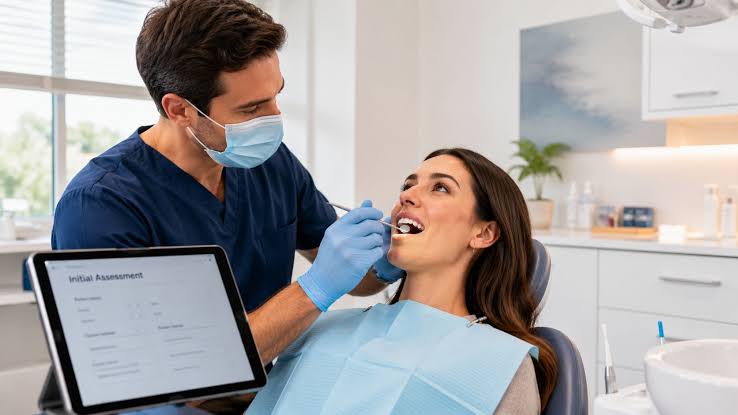
An assessment may include looking at your jaw movement, symptom response, neck mobility and relevant muscle function. Depending on your presentation, your physiotherapist may also consider the relationship between your jaw, upper cervical spine and surrounding muscles.
Treatment may include:
– Education about your symptoms and potential contributing factors.
– Individualised exercises to support comfortable jaw and neck movement.
– Strategies to manage aggravating activities and gradually improve tolerance.
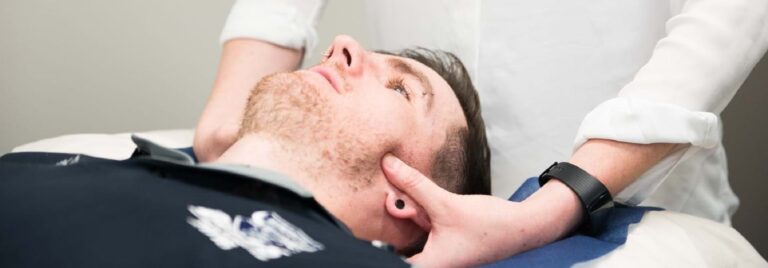
– Hands-on treatment to reduce muscle tension and reduce joint stiffness.
– Advice about when input from a dentist, GP or another health professional may be beneficial.
Treatment should be tailored to your symptoms and goals rather than following a one-size-fits-all approach.
When should you seek help?
If jaw or neck discomfort is persistent, recurring or affecting your ability to eat, speak or complete everyday activities, it may be worth having it assessed.
Jaw symptoms can have dental and other medical causes, so physiotherapy isn’t always the first or only step. A dentist or GP can help assess symptoms where appropriate and determine whether further investigation or referral is needed.
Important: When jaw or neck pain needs urgent medical attention?
Although jaw and neck pain can be associated with muscular, dental or TMJ conditions, they can occasionally be symptoms of an underlying medical condition.
It is important not to assume all jaw or neck pain is musculoskeletal. Seek urgent medical assessment is symptoms are sudden, unexplained, severe or accompanied by other concerns signs including chest discomfort, shortness of breath, dizziness, fainting, sudden headache, facial drooping, weakness, numbness, changes in vision, difficulty speaking or difficulty swallowing.
These symptoms may indicate a more serious medical condition, including cardiovascular, neurological or vascular conditions.
If you experience sudden or severe symptoms, or suspect a medical emergency, call 000 immediately. If you are unsure about the cause of your symptoms, seek medical advice before commencing physiotherapy.
Take the next step
Jaw and neck pain can be frustrating, particularly when symptoms seem to overlap or keep returning. Understanding the different factors that may be contributing to your discomfort is an important starting point.
At Fit & Flow Physiotherapy, we take an individualised approach to assessment and rehabilitation, helping you understand your symptoms and explore appropriate treatment options.
If you’re experiencing jaw pain or associated neck discomfort, contact our team to discuss whether a physiotherapy assessment may be suitable for you.