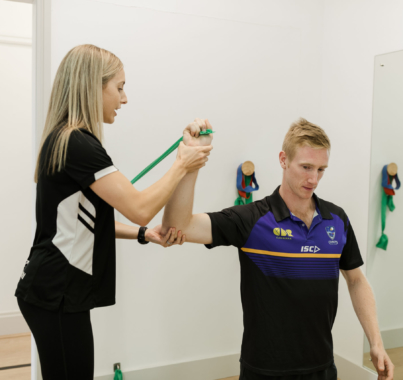

Menopause is a natural biological transition, but it influences far more than reproductive hormones. Research shows that hormonal shifts can affect muscle, bone, sleep and nervous system regulation. Understanding these changes helps guide strategies to support physical and emotional wellbeing!
MUSCULOSKELETAL CHANGES
Reduction in Muscle Mass
Oestrogen plays a key role in muscle and connective tissue health. After menopause, muscle mass declines at an estimated 1-2% per year, which can accelerate strength loss and increase the risk of sarcopenia (age-related muscle loss). This can influence balance, functional capacity and long-term resilience.
Strength is highly adaptable. Resistance training can improve muscular strength by 25-100% depending on baseline capacity and program design. This makes it one of the most effective strategies to preserve function and independence.
Increase Risk of Osteoporosis
Bone health is also affected. Bone density peaks around the age of 30 years old for both men and women. However the reduction in oestrogen during menopause accelerates this reduction, increasing risk of osteoporosis and fractures for women. Studies have shown progressive resistance training and impact loading stimulate bone adaption and help slow the rate of bone density reduction. It is important that these programs are individualised and specific to each person.
Tendon Loading
Tendons may respond differently to load during menopause. Some women may notice changes tendon health and increased susceptibility to tendinopathies such as tennis elbow or proximal hamstring issues. Progressing loading and individualised rehabilitation help tendons adapt and improve resilience.

SLEEP AND RECOVERY
Sleep disturbance is common during menopause, affecting 40-60% of women. Poor sleep influences recovery, mood and pain sensitivity, and can heighten nervous system reactivity.
When sleep is disrupted, the nervous system may become more sensitive, amplifying feelings of pain, discomfort and fatigue. This does not always indicate structural damage, it reflects how the body processed information. Addressing sleep hygiene and establishing consistent routines can support better rest and recovery.
Regular physical activity also improves sleep quality and mood in many individuals. Movement helps regulate circadian rhythms and promotes physiological recovery, contributing to overall wellbeing.

NERVOUS SYTEM AND SENSITIVTY
The nervous system regulates how we perceive and respond to stress and sensory input. Hormonal changes during menopause can influence nervous system sensitivity, sometimes heightening pain perception.
This increased sensitivity does not always mean tissue damage, it reflects changes to how the body is processing. Graded exercise, movement and stress management strategies can help regulate nervous system responses and improve tolerance to activity.

WHAT THIS MEANS FOR MOVEMENT AND FUNCTION
Movement is protective. It supports physical and emotional wellbeing, reducing the risk of long-term functional decline and helps maintain independence.
Strength training, progressive exercise and individualised programs help:
– Maintain muscle and bone health
– Support tendon resilience
– Improve sleep and recovery
– Enhance functional capacity
– Regulate nervous system responses

HOW PHYSIO CAN HELP
Every person experiences menopause differently. As physio’s we work with you to assess and treat areas of concerns, whilst considering physiological changes at this time. We want to keep you moving!
Physiotherapy can help:
– Assess and treat joint stiffness, muscle tightness and structural changes
– Guide safe and progressive loading
– Educate on how to support musculoskeletal health
– Manage pain and movement concerns
Working with a multidisciplinary team – including your GP, specialists, exercise physiologist, dietitian, psychologist etc – helps provide comprehensive care tailored to your individual needs.
If you have any questions, or would like support – our team is here to help!