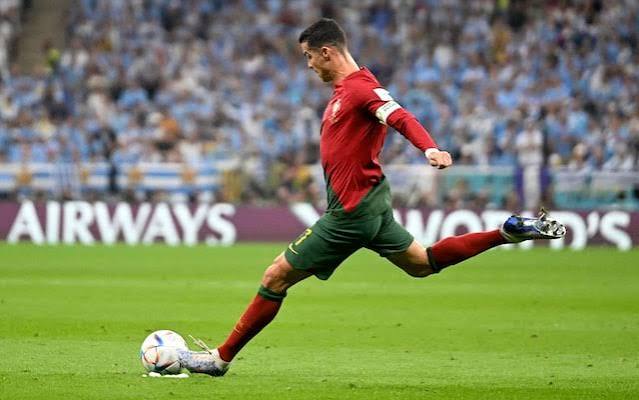
With the 2026 FiFA World Cup captivating football fans around the globe, we’re seeing the game’s biggest stars sprint, change direction and unleash powerful strikes on goal. While the goals and spectacular saves make the headlines, these explosive movement pace enormous demands through the quadriceps – particularly the rectus femurs.
In fact, quad strains account for almost one in every five muscle injuries in soccer. While hamstring injuries often steal the spotlight, injuries to the front of the thigh remain a significant cause of missed training and match time, particularly in players who spring, accelerate, decelerate and kick at high velocity.
The Rectus Femoris
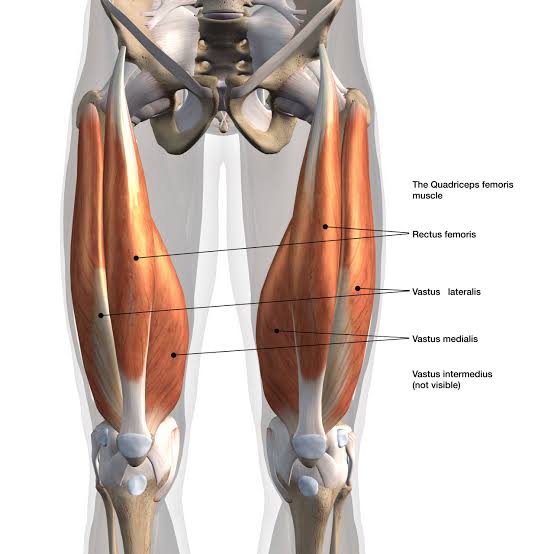
The quadriceps consist of four muscles, but the rectus femurs is injured far more often than the others.
Unlike the facts muscles, the rectus femoris crosses both the hip and knee. This means it works hard to:
> Flex the hip
> Extend the k nee
> Produce explosive force during sprinting
> Generate power during kicking
Recent elite athlete data found that over 90% of quadriceps strains involved the rectus femoris, with almost half occurring during kicking actions.
Why Does Kicking Increase Injury Risk?
Kicking is one of the most important skills in soccer, and the quads play a major role in generating power. Most players can tolerate these loads well, but when kicking is combined with fatigue, sudden increases in training or match load, or inadequate strength, the risk of a quadriceps strain can increase.
The highest forces actually occur just before your foot strikes the ball. During this phase:
> the hip rapidly extends
> the knee moves into extension
> the rectus femoris lengthens while producing large amounts of force.
The good news is that kicking itself isn’t the problem. With good strength, appropriate training and gradual exposure to kicking and sprinting, most players can continue to perform confidently while reducing their injury risk.
It’s Not Just About Kicking
Many quad injuries actually occur during:
> Maximal sprinting
> Sudden acceleration
> Sharp deceleration
> Rapid changes of direction
Fatigue towards the end of training or matches can also reduce force control, increasing injury risk.

Who’s Most at Risk?
Risk factors include:
> Previous quadriceps strain
> Rapid increases in training load
> Returning too quickly after injury
> Poor strength or side-to-side asymmetry
> Limited exposure to high-speed running during training
> Heavy kicking volumes, particularly in pre-season
Can Quad Strains Be Prevented?
While no injury is completely preventable, you can reduce your risk by:
> Building quadriceps, hamstring and glute strength
> including regular sprinting in training to prepare for match demands
> increasing training and match loads gradually
> Completing a dynamic warm-up, such as the FIFA 11+, before training and games.
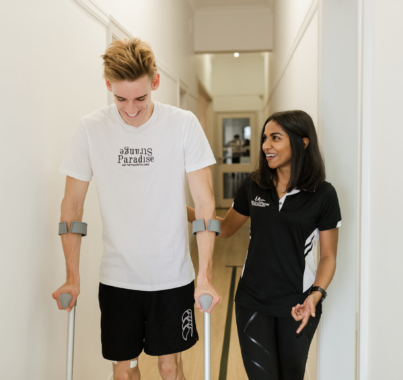
If you do develop pain or tightness in the front of your thigh, early assessment and treatment can help you recover faster and reduce the risk of a more significant injury
How Physiotherapy Helps
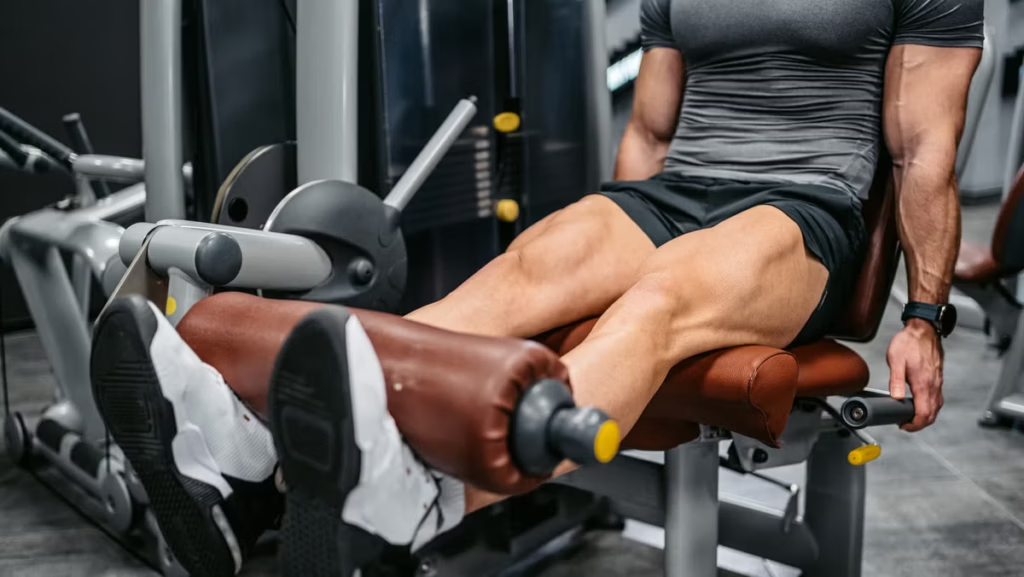
Effective rehabilitation goes beyond stretching. A progressive rehab program should include:
> Restoring strength throughout the full range
> Eccentric quadriceps loading
> Hip flexor strengthening
> Sprint progression
> Graded kicking exposure
> Agility and change-of-direction drills
> Return to play testing
The goal isn’t simply to get back on the field, it’s to return with the capacity to tolerate the demands of soccer.
The Bottom Line
Quadriceps strains remain one of the most common muscle injuries in soccer, accounting for around one in five muscle injuries at the professional level. Because the quadriceps are responsible for explosive kicking, sprinting and acceleration, they are exposed to some of the highest forces in the game. A structured rehab program that progressively restores strength, speed and kicking capacity offers the best change of returning safely while reducing the risk of recurrence.