When we talk about building a strong lower body, it’s easy to think about the big movements – squats, lunges, deadlifts and step-ups.
And yes, these exercises are incredible useful!
But there’s another piece of the puzzle that often gets less attention: pelvic stability.
Your pelvis sits at the centre of your body, connecting your spine to your hips and legs. It needs to be strong enough to produce force, but also stable and controlled enough to manage movement.
So, what is pelvic stability?
Pelvic stability is your ability to control the position and movement of your pelvis while you move.
This doesn’t mean keeping your pelvis completely still. In fact, your pelvis is designed to move!
Instead, it’s about having enough strength and coordination around your hips and trunk to control that movement when you need to.
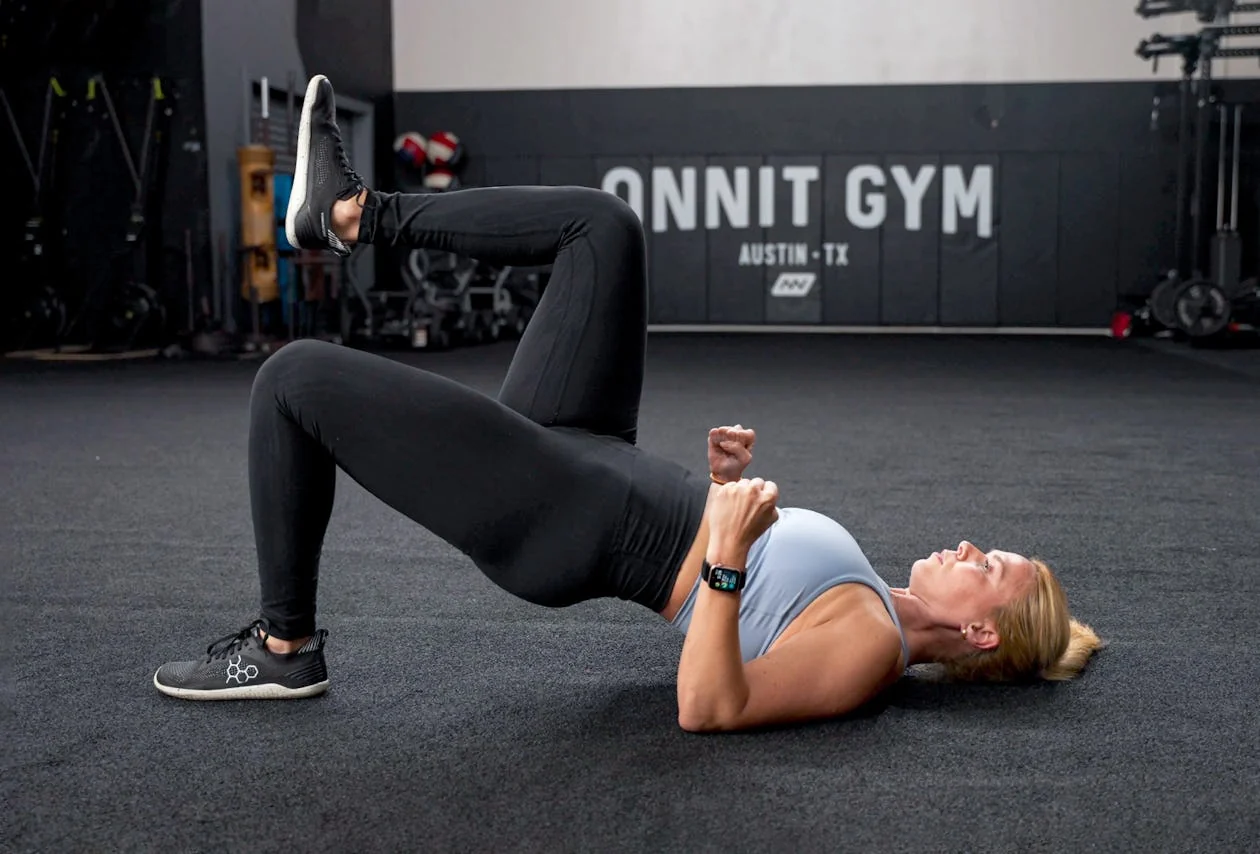
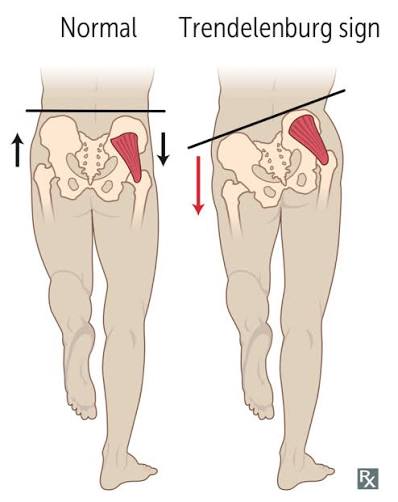
Think about standing on one leg. Your pelvis needs to stay relatively level while your hip, knee and ankle work together to keep you balanced.
This is where the smaller stabilising muscles around your hip can play an important role.
Strength and stability aren’t the same thing
It’s common to think that if a muscle is strong, stability will automatically take care of itself. But, strength and control are different qualities.
You might be able to lift a heavy weight with both legs, but controlling your pelvis while standing on one leg requires a different kind of challenge.
This is why exercises to target stability can be useful alongside traditional strength exercises.
They give your body an opportunity to practice controlling movement, not just producing force.
But don’t forget the big lifts!
Stability exercises aren’t a replacement for strengthening the whole lower body.
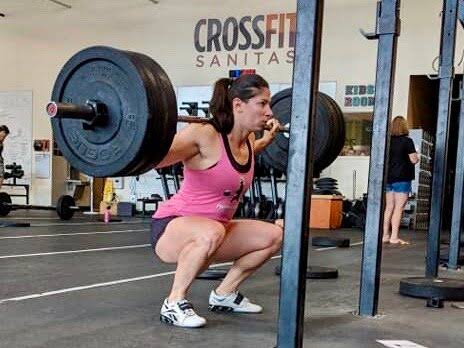
Exercises such as squats, deadlifts and leg press help build the overall strength and capacity your body needs for everyday activities, sport and exercise.
The goal isn’t to choose between strength or stability. It’s about giving your body both.
Think of it as:
Big movements = build overall strength
Smaller, controlled movements = build control and stability
Both have a place in a well-rounded exercise program!
Why does pelvic stability matter?
Good pelvic control can help you move efficiently and confidently through a range of activities – from walking and running to changing direction, climbing stairs or lifting weights.
It can also be particularly useful when returning to activity after an injury, when your body may need to rebuild both strength and confidence in movement.
The ideal exercises will depend on your goals, current strength, and what your body needs !

start simple
Pelvic stability isn’t about choosing the most complicated exercise – it’s about building strength, then learning to control it.
A good progression might look like:
> Build your strength with controlled double-leg exercises
> Challenge your control with single-leg exercises
> Progress to split-leg movements as your strength and stability improve
> Keep your movement slow and deliberate
> Focus on controlling your pelvis and trunk throughout
> Gradually increase the challenge as you get stronger
Sometimes, a small movement done with plenty of control can be just as valuable as a big movement with lots of weight.
The Takeaway
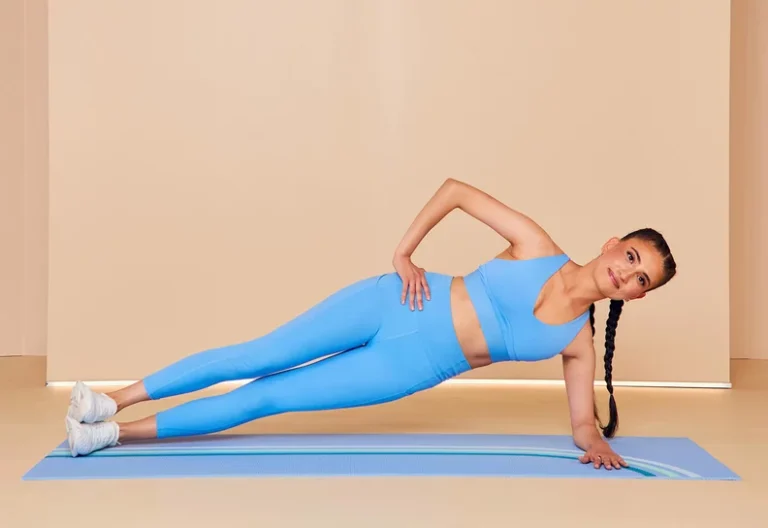
Pelvic strength and stability aren’t about keeping everything perfectly still.
They’re about having the strength, control and confidence to move well.
So keep your squats and deadlifts, but don’t be afraid to add in those smaller, single-leg movements too. Your body benefits from both.
If you’re unsure where to start, a physiotherapist can help assess your movement and build an exercise program around your body, your goals and what you want to get back to doing!