Tennis Elbow vs Golfer’s Elbow: What’s the Difference?

Elbow pain is one of those things people often ignore … until gripping a coffee cup or turning a door handle suddenly hurts. Two of the most common causes we see in the clinic are tennis elbow and golfer’s elbow, and despite their names, you don’t need to play either sport to develop them.

Let’s break down what’s actually going on, how to tell them apart, and what helps aid recovery.

The Key Difference: Pain Location

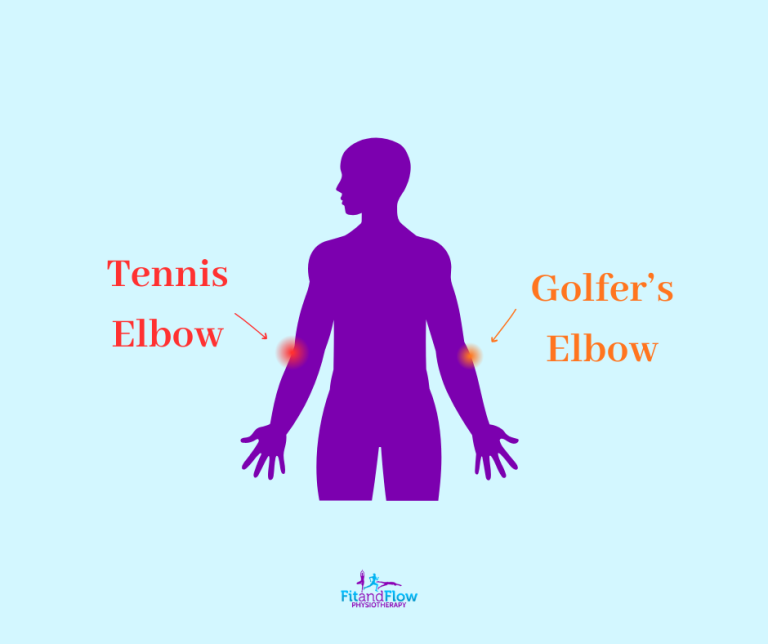
– Tennis elbow causes pain on the outside (lateral) of the elbow

– Golfer’s elbow causes pain on the inside (medial) of the elbow

Both involve irritation or overload of tendons where the forearm muscles attach at the elbow, just on opposite sides.
What Is Tennis Elbow? 

Tennis elbow (lateral epicondylalgia) affects the tendons responsible for wrist and finger extension as well as gripping.


Common symptoms:

– Pain on the outside of the elbow

– Pain with gripping, lifting or twisting

– Weakness when holding objects

– Symptoms that worsen with repetitive use


Common causes:

– Repetitive gripping or lifting

– Manual or trade work

– Gym exercises (especially grip-heavy movements)

– Desk work with poor ergonomics

– Racquet sports (but often not the main cause)
What is Golfer’s Elbow?

Golfer’s elbow (medial epicondylalgia) affects the tendons involved in wrist flexion and forearm pronation (palm facing down).


Common Symptoms:

– Pain on the inside of the elbow

– Pain with gripping, pulling or wrist bending

– Stiffness or aching after activity

– Occasionally symptoms radiating into the forearm


Common causes:

– Repetitive wrist flexion

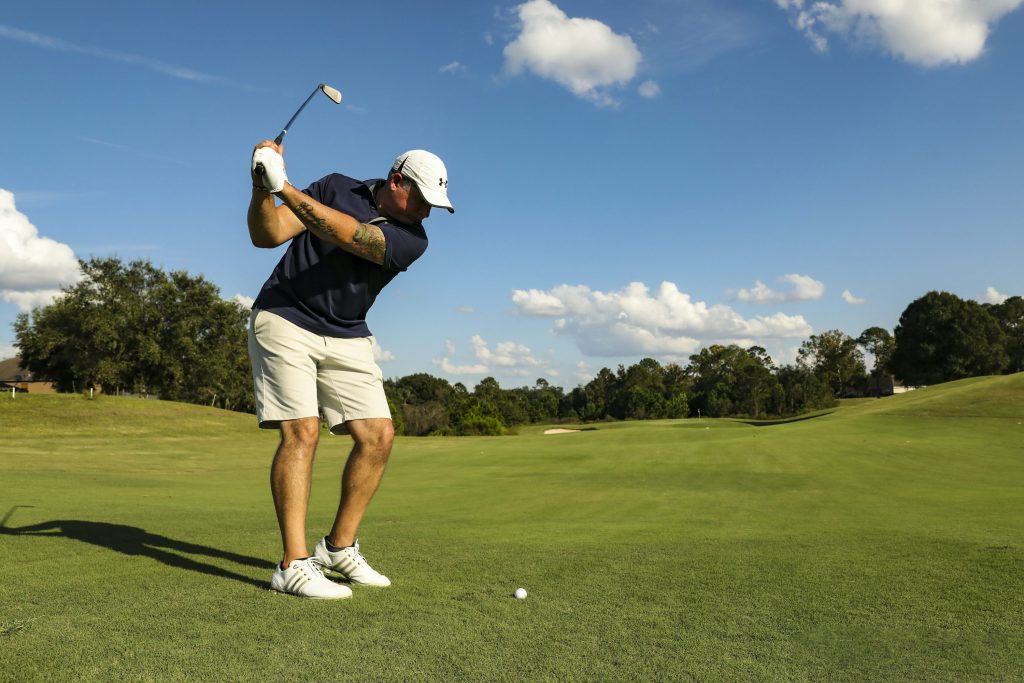
– Throwing sports

– Weight training

– Work involving sustained gripping or pulling

– Sudden increase in load or training volume
Why These Injuries Can Be More Common Around Menopause

We’re seeing increasing awareness that tendon pain becomes more common during peri-menopause and menopause, even without a clear injury or change in activity. During menopause, oestrogen levels decline, and oestrogen plays an important role in tendon health. Reduced oestrogen can lead to:

– Decreased tendon elasticity

– Slower tendon repair and recovery

– Reduced collagen production

– Lower tolerance to repetitive or sudden load


This means activities that were previously well tolerated can suddenly trigger pain. Tennis and golfer’s elbow may develop gradually and unexpectedly, or take longer to settle during this stage of life.


Women often report:

– Elbow pain appearing “out of nowhere”

– Symptoms flaring with everyday tasks

– Tendon pain lingering longer than expected

– Multiple tendon issues occurring around the same time


This does not mean the tendon is weak or damage, but it does mean it may need more considered load management.

What Actually Helps Recovery? 

Although tennis and golfer’s elbow affect different tendons, treatment principles are very similar.


Physiotherapy can help by:

– Identifying the source of overload

– Modifying aggravating activities without stopping everything

– Prescribing targeted strengthening exercises

– Improving tendon load tolerance

– Addressing shoulder, wrist, or neck contributions

– Guiding return to work, sport or gym safely
When Should You See A Physio?

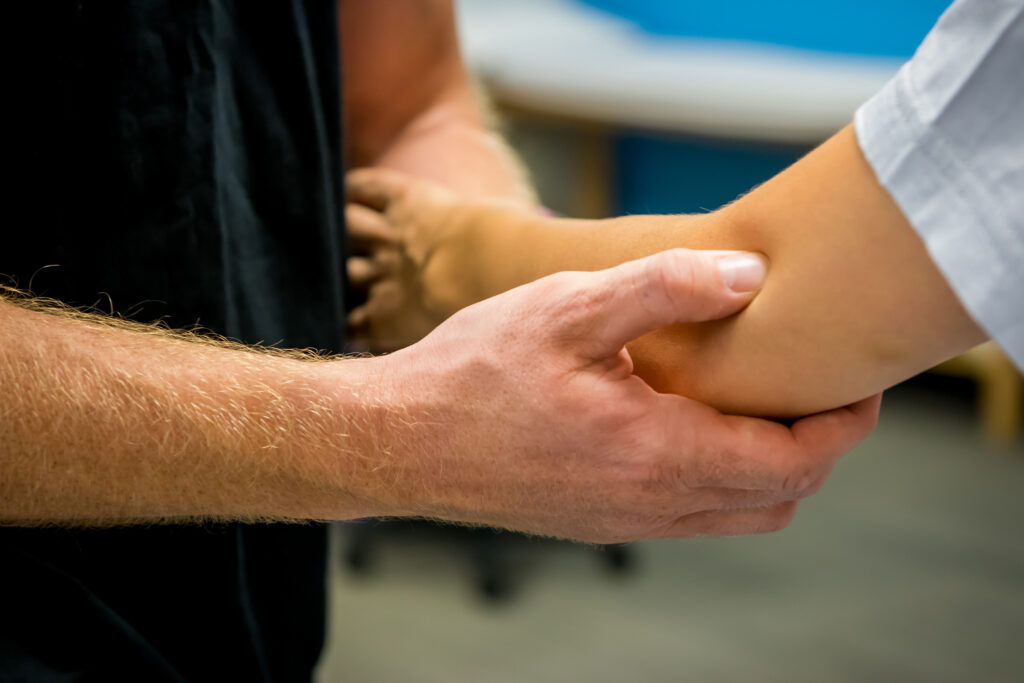
You don’t need to wait until pain becomes severe or constant. Early assessment can:

– Shorten recovery time

– Reduce flare-ups

– Prevent compensation injuries

– Build confidence to keep moving safely


If elbow pain has lasted more than a few weeks, keeps flaring or limiting daily tasks, it’s worth getting an assessment. We’re here to help! Contact us for an appointment to create an individualised treatment plan today.

New Year, New Goals for 2026: How Physio Can Help You Achieve Them!

As we step into 2026, many of us feel a renewed sense of motivation. New routines, fresh goals, and a commitment to feeling stronger, fitter, and healthier than the year before. Whether your goals are ambitious or simply about moving with less pain, how your body moves in 2026 matters.

Physiotherapy isn’t just for when you’re injured, it can be a powerful tool in helping you achieve your goals safely, sustainably, and with confidence this year.

Training for an Event in 2026 (…Hello Sydney Marathon) 

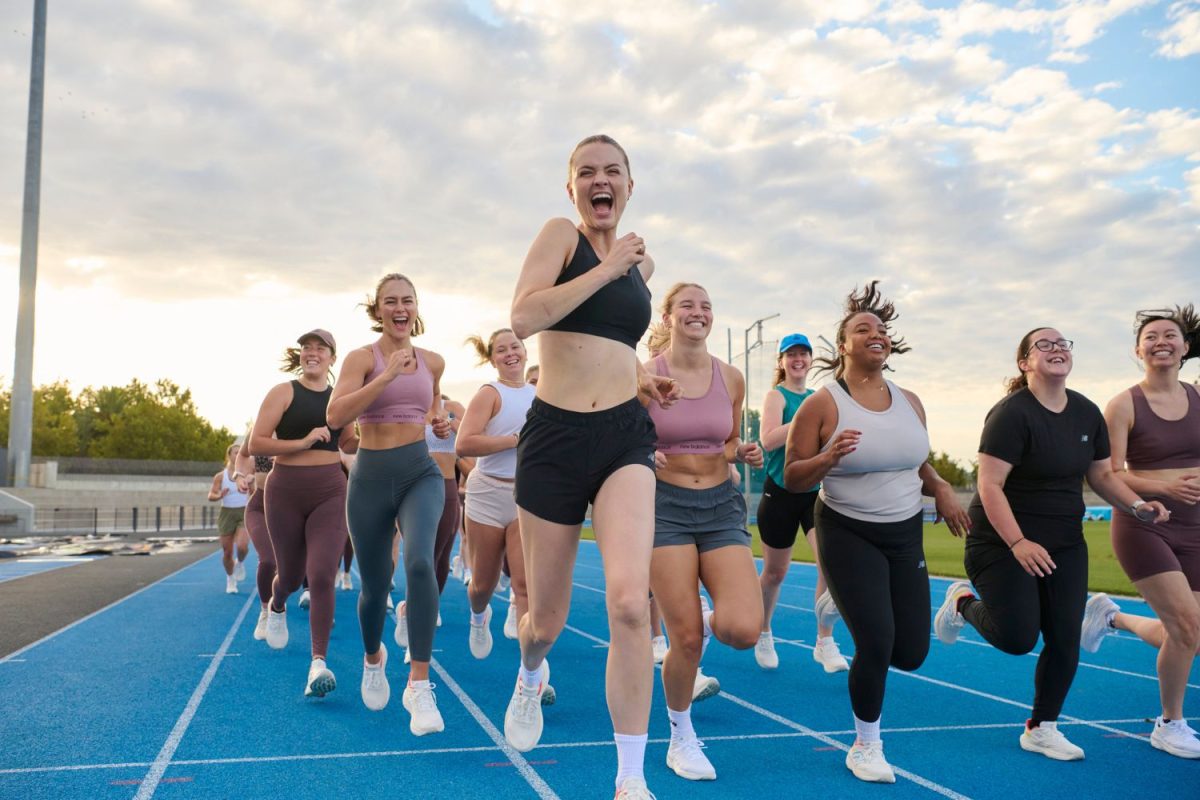
If 2026 is the year you finally take on a fun run, half marathon, or full marathon, your body needs to be prepared for the demands of training. Running places repetitive load through joints, muscles, and tendons, and many injuries develop gradually rather than from one single moment.


A physiotherapist can help you achieve your marathon goals by:

– Assessing your strength, mobility and running mechanics

– Identifying weakness or imbalances before they become injuries

– Designing a strength program to support your training

– Managing early niggles, so they don’t interrupt your progress


Think of physiotherapy as part of your training plan, not just your back up!

Joining the Gym in 2026

New year gym memberships are a familiar theme, and so are early setbacks when bodies are pushed too hard, too son. Starting strong in 2026 doesn’t mean rushing it, it’s about building foundations.


Physiotherapy can help you:

– Learn safe technique and appropriate loading

– Build a program suited to your body and goals

– Work with you and your personal trainer as a team to modify exercises around injuries and pain

– Progress confidently and consistently throughout the year


This approach helps turn short-term motivation, into long-term habits!


Making 2026 the Year You Commit to Proper Rehab


Many people being a new year carrying injuries from the last, whether it’s a shoulder that never quite settled, a knee that still flares up, or a recurring hamstring tendinopathy that never goes away. 2026 is the perfect time to stop managing pain, and start resolving it.

Physiotherapy supports a dedicated rehab focus by:

– Addressing the underlying cause, not just symptoms

– Setting rehab goals, with clear progressions

– Gradually building strength, control, and confidence

– Supporting a return to activities you’ve been avoiding.


At Fit and Flow, we run small group, physiotherapist-led rehab classes daily, for facilitate out patient’s rehab journey. In these classes you have an individual program, completing specific exercises using body weight, small equipment, machine or our brand new pilates reformer machine! Working with your treating physiotherapist, to progress and work towards achieving your rehab goals. If this is something you’re interested in, please contact us or chat to your physiotherapist at your next appointment!

Injury Prevention: Staying Active Throughout 2026

For many people, the goal this year is consistency! Whether that means sports, work, or keeping up friends and family, injury prevention plays a key role.


Physiotherapy helps in 2026 by:

– Identifying risk factors before pain develops

– Improving movement efficiency and load tolerance

– Managing training and work demands more effectively

– Reducing the likelihood of recurring flare-ups


Prevention means fewer setbacks, and more freedom to stay moving all year long!

Supporting Your 2026 Goals

No two bodies, or goals, are the same. Here at Fit and Flow, we offer individualised assessment and treatment plans to bridge the gap between where you are now, and where you want to be!

If your goals this year involve moving more, moving without pain, or moving better, physiotherapy can help translate these goals from foundations into habits. If you’re ready to get started, we’d love to support you! Book in now for a physiotherapy appointment today.

Here’s to a strong, health, and active 2026!