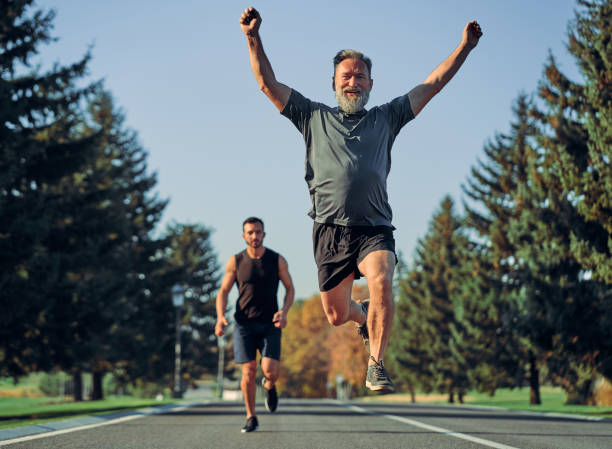
Every year, World Physiotherapy Day (September 8) highlights the vital role physiotherapists play in keeping people moving and healthy. This year’s theme is Physical Activity and Health Aging, an important reminder that staying active is one of the most powerful tools we have to support health, independence, and quality of life as we grow older.
Why Physical Activity Matters for Healthy Aging
Aging is a natural part of life, but how we age can be influenced by our lifestyle choices. Regular movement helps:
– Maintain strength and balance – reducing the risk of falls and injuries.
– Protect bone health – weight-bearing exercise helps prevent osteoporosis.
– Support heart and lung health – keeping the cardiovascular system strong.
– Boost mood and cognition – physical activity supports brain health and reduces risk of anxiety, depression and cognitive decline.
– Enhance independence – by preserving mobility and function for everyday activities.
Physical Activity, Bone Density and Hormones
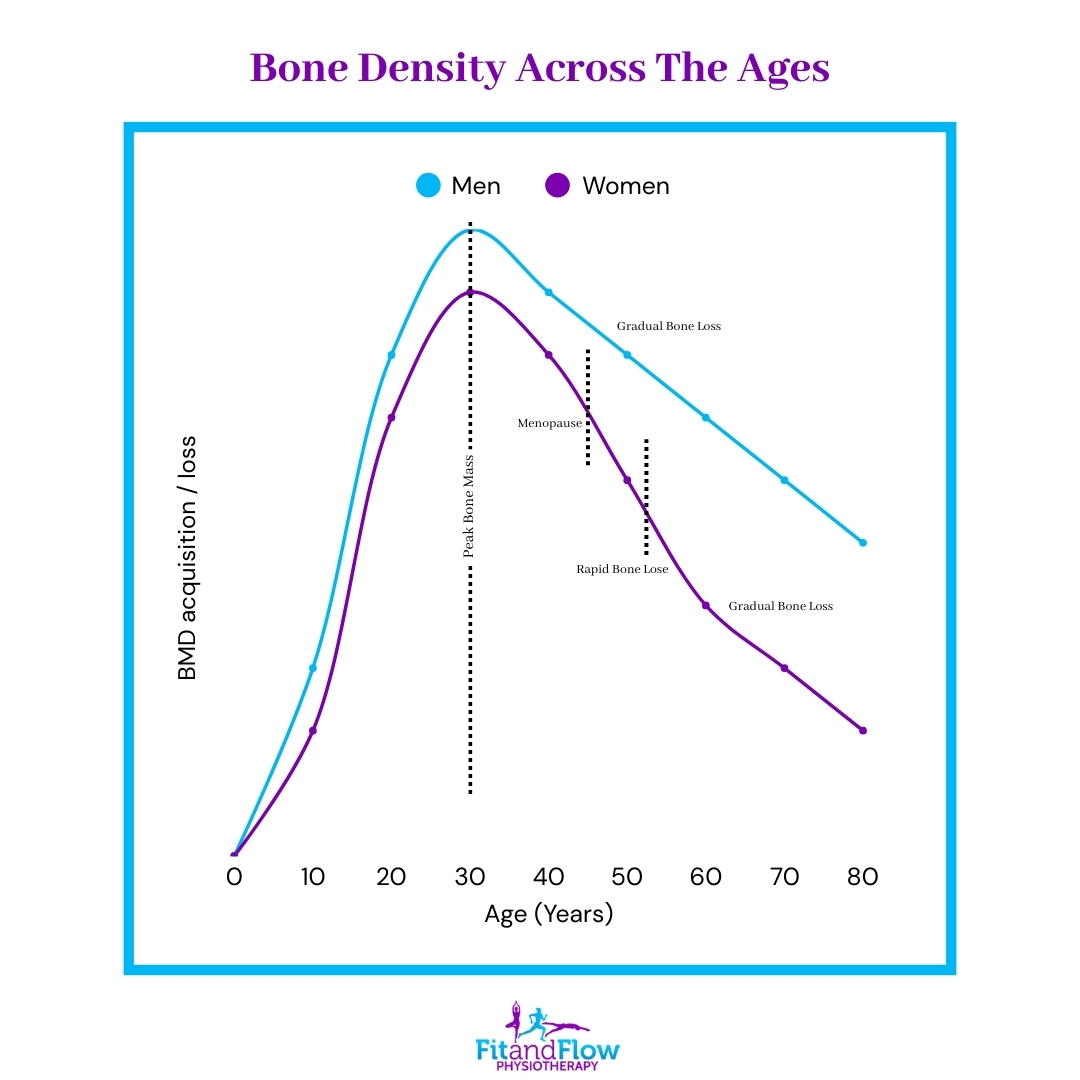
Bone density is shaped by many factors, including nutrition, genetics, activity levels, and hormones. Peak bone mass is built during your younger years, but maintaining it is a lifelong process.
One key factor, particularly for women, is oestrogen (hormone). Oestrogen helps regulate bone metabolism by slowing down the rate of bone breakdown. When oestrogen levels drop, such as during menopause, the balance tips, and bone loss can accelerate. This is why women are at higher risk of osteoporosis, especially in midlife and beyond.
The good news: exercise is one of the most effective ways to protect bone health, no matter your stage of life.
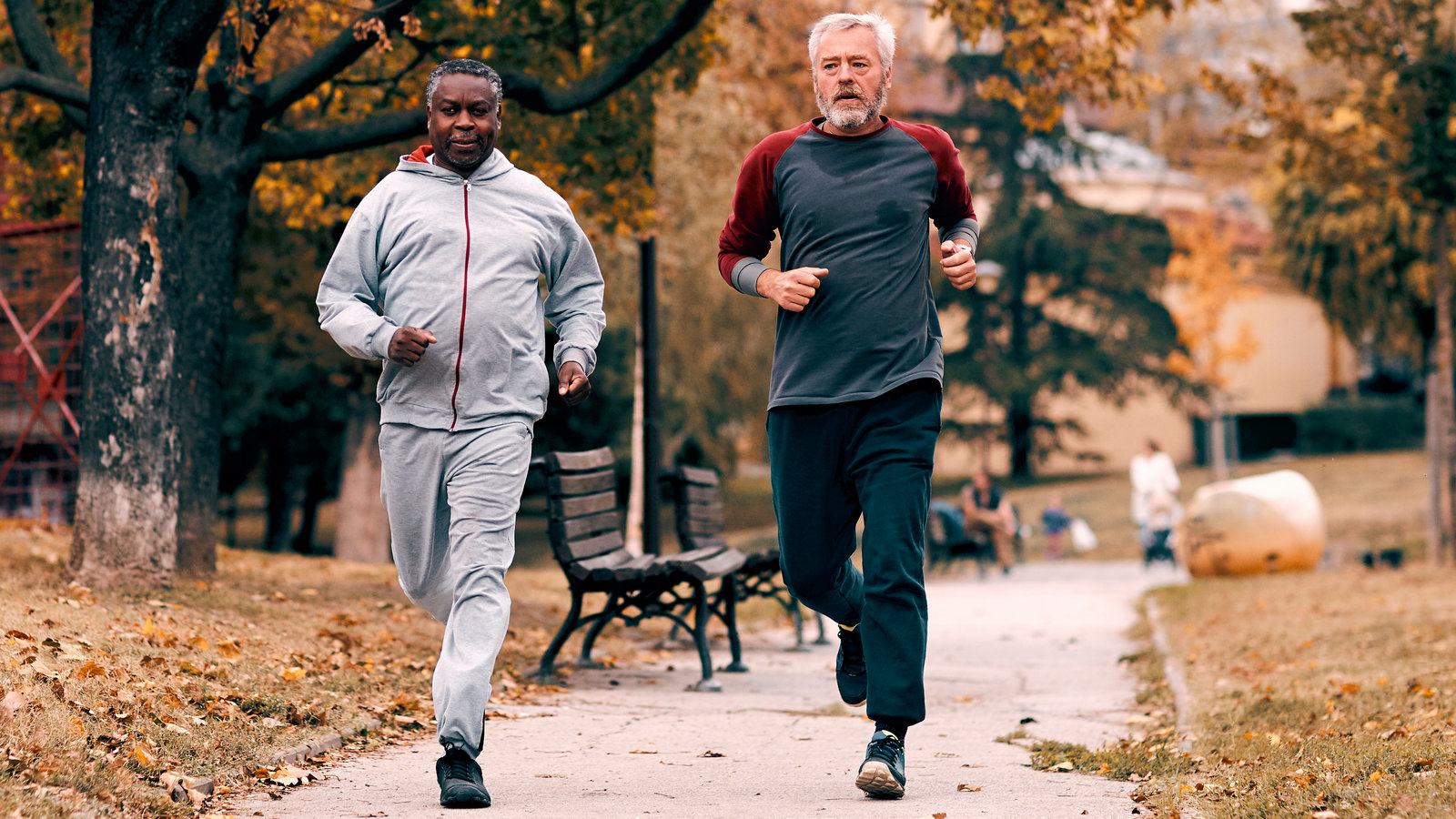
– Weight-bearing activities (walking, running, tennis, dancing) signal the body to strengthen bones.
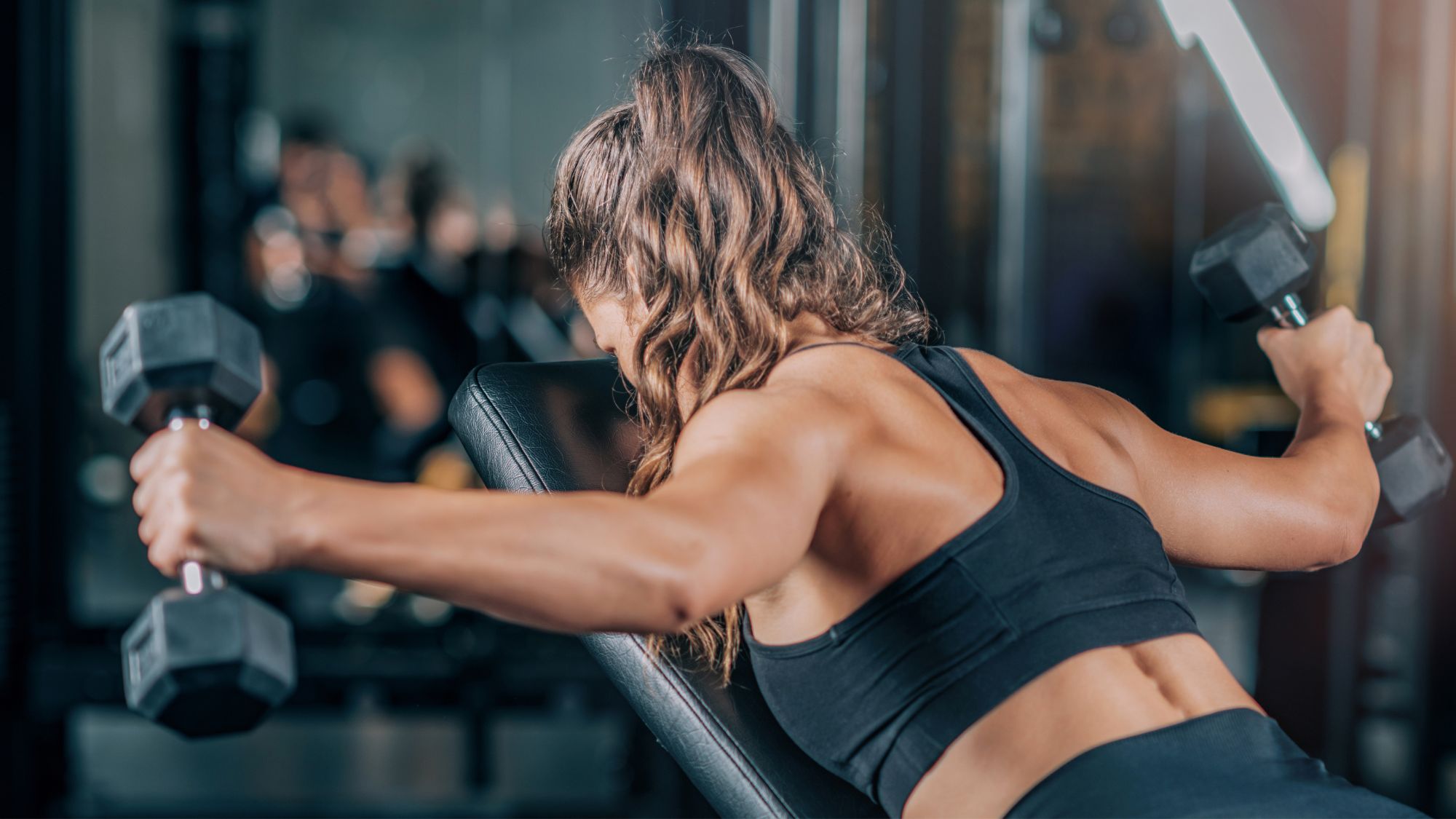
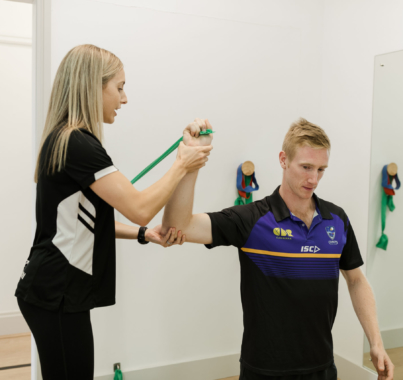
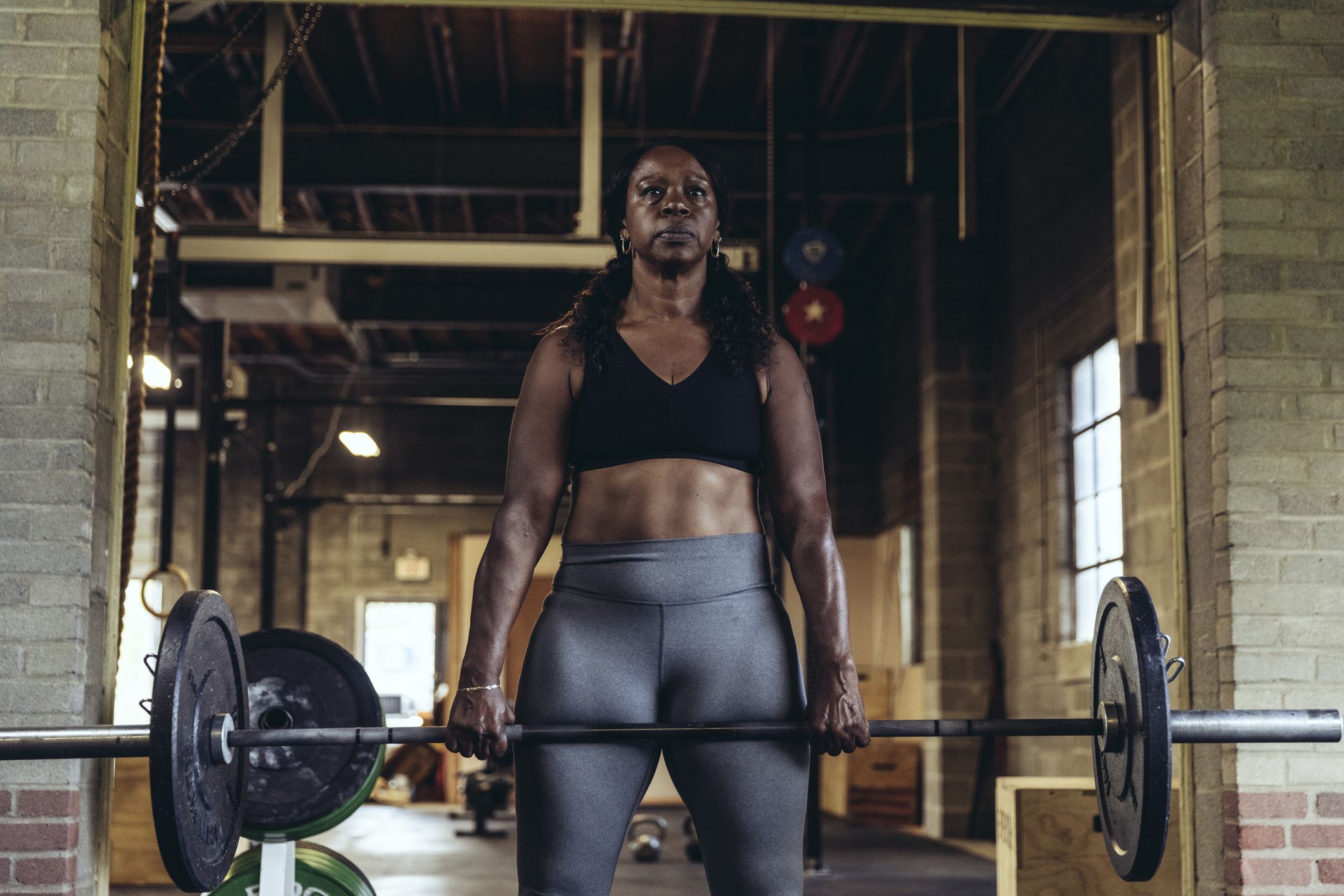
– Resistance training (machine weights, dumbbells, kettlebells, resistance bands) helps build both bone and muscle mass.
– Balance and control work (yoga, pilates, single-leg drills) adds stability and reduces injury risk.
By staying active, you can build stronger bones earlier in life and slow bone loss later on – reducing the impact of hormonal changes along the way.
How Much Activity Do We Need?
The World Health Organisation recommends adults aim for:
– 150-300 minutes of moderate activity per week – such as brisk walking, cycling, or swimming
– Strength training at least twice per week – targeting all major muscle groups.
– Flexibility and mobility work – to keep joints moving freely.
How Physiotherapist Can Help
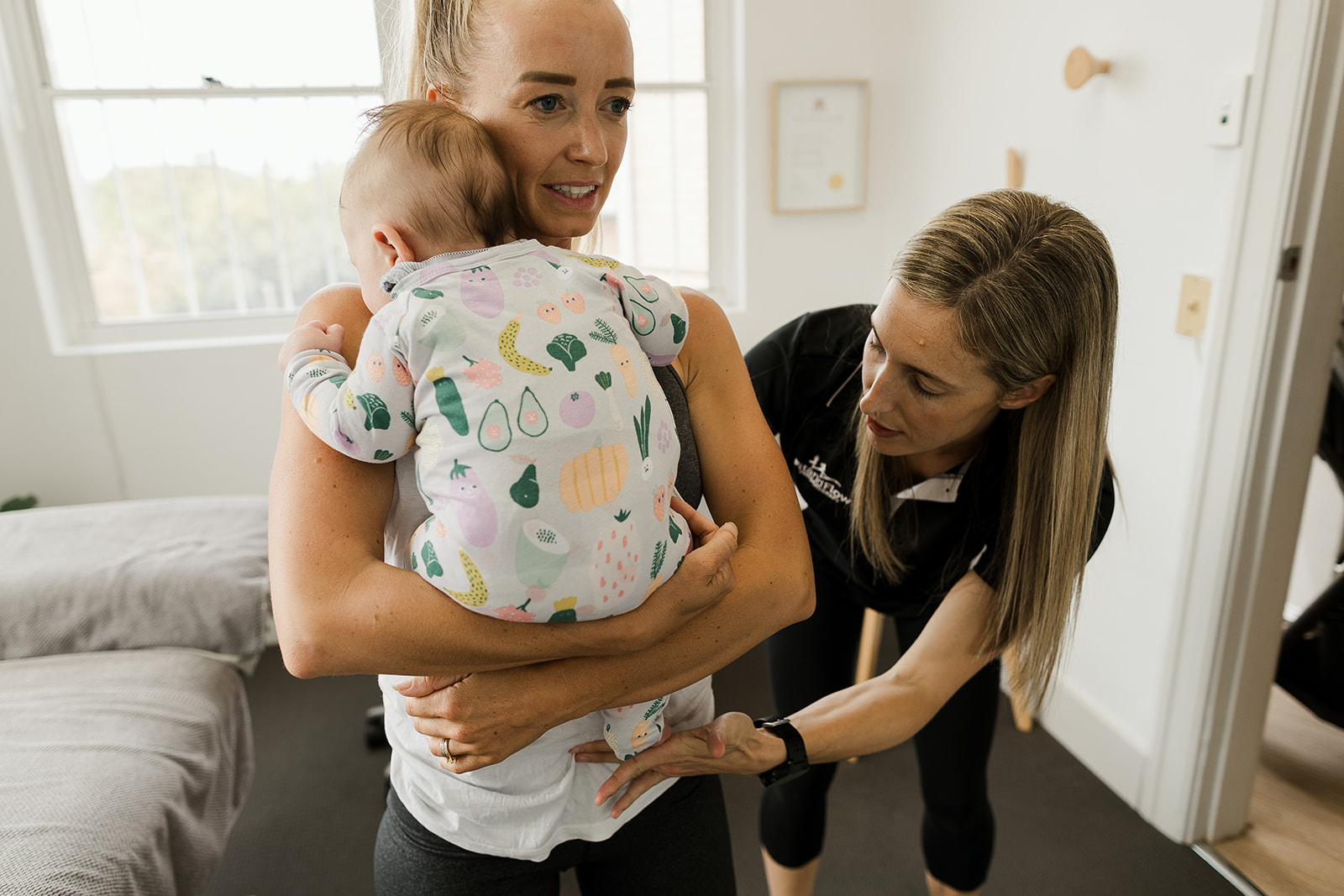
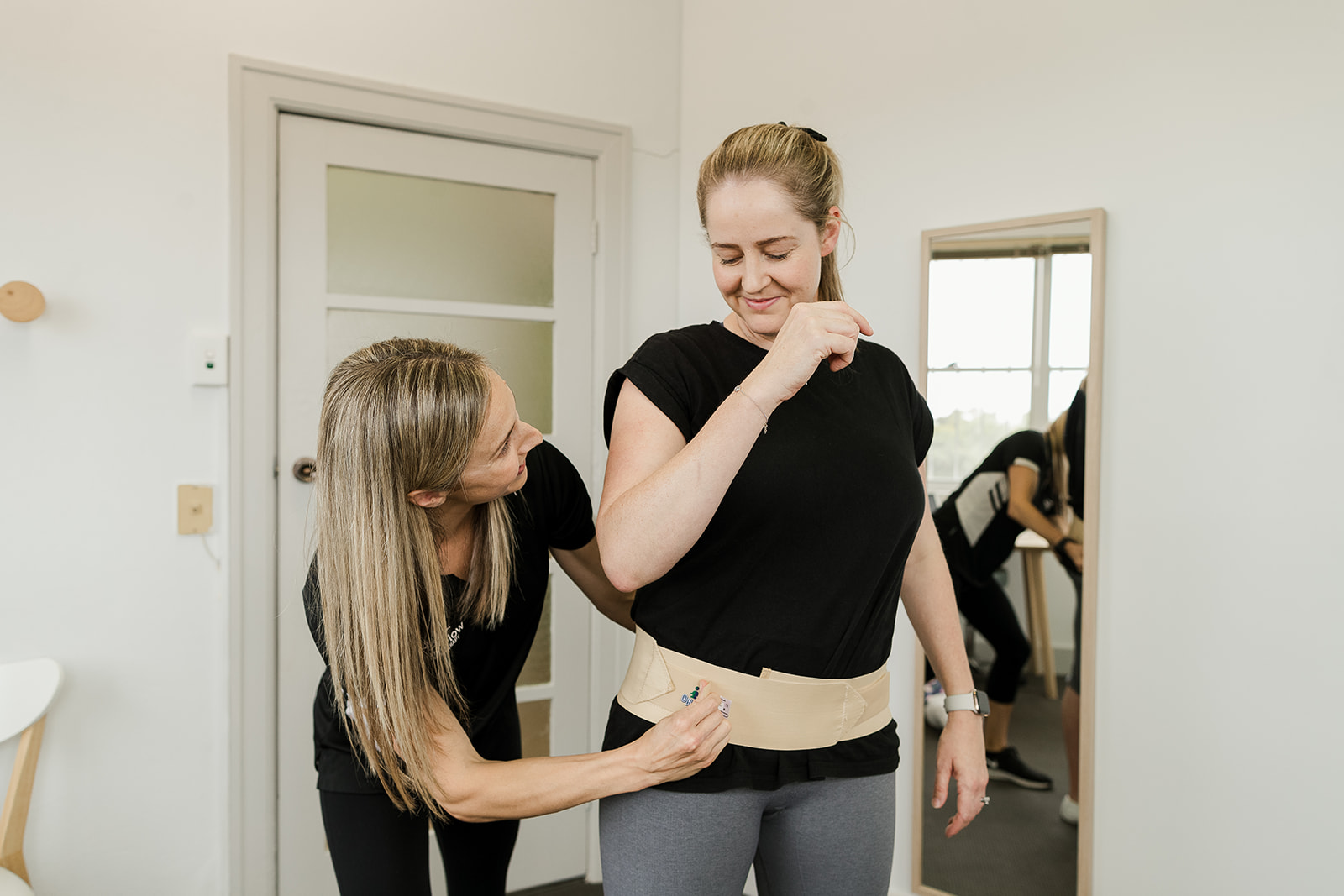
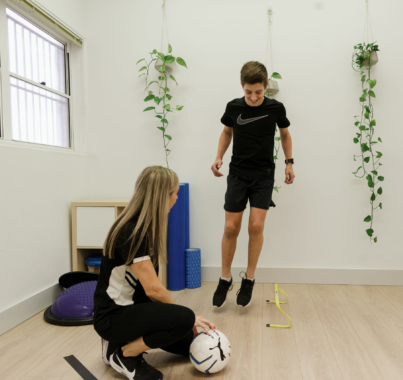
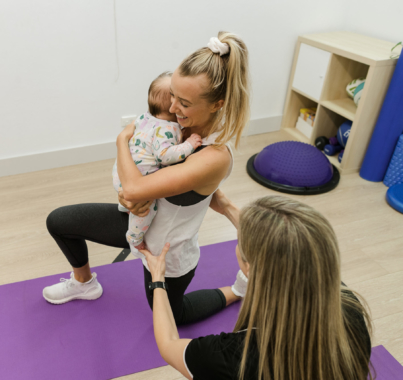
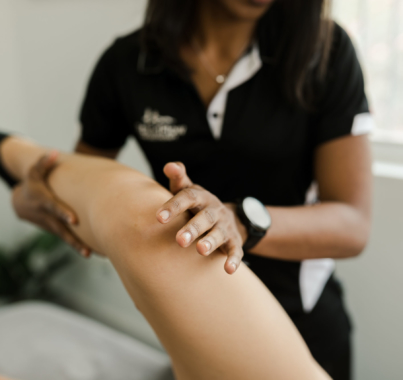
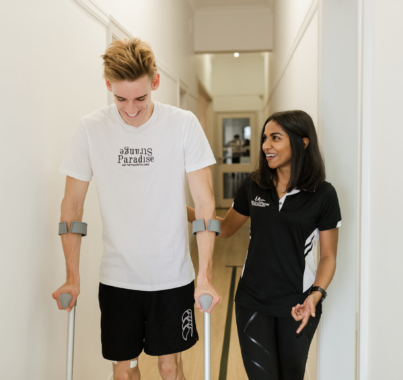
Physiotherapists are experts in movement in long-term health. We help people at all ages and stages by:
– Designing safe, effective exercise programs.
– Building strength, balance and mobility.
– Supporting bone health and joint protection.
– Managing pain or injury so you can keep active
This World Physiotherapy Day, Take the First Step
Healthy movement starts now, no matter your age. By staying active, you’re not just adding years to your life — you’re adding life to your years.
If you’d like guidance on how to move safely and confidently, a physiotherapist can help create a plan tailored to you.
Say yes to movement, strong bones, and overall wellbeing.
Our Rehab Classes
At Fit & Flow, we run tailored rehab classes designed to support strength, resilience, and long-term health. These small-group sessions focus on safe, progressive exercise, with goals including:
– Rehab from injury – Targeted exercises to restore movement, strength, and confidence after injury.
– Building muscle mass – Resistance-based training helps counteract muscle loss, supporting mobility, independence, and balance.
– Improving bone density – Progressive resistance training and impact-style exercises stimulate bone growth and reduce the risk of fractures.
– Enhancing balance and coordination – Exercises designed to reduce fall risk and improve functional movement.
– Maintaining overall mobility – Keeping joints healthy and movement fluid for everyday life.
Each class is guided by a physiotherapist, ensuring exercises are adapted to individual needs and progressed appropriately. The focus isn’t just on “working out,” but on building a body that’s strong, steady, and capable.
If you’d like to learn more or join a class, contact us today to see how we can support your goals.