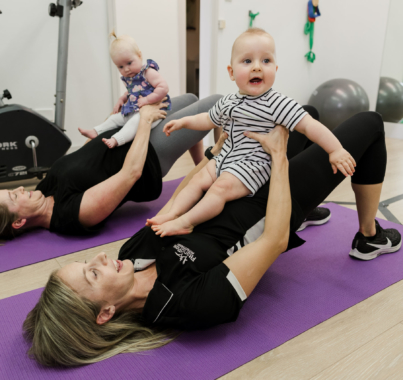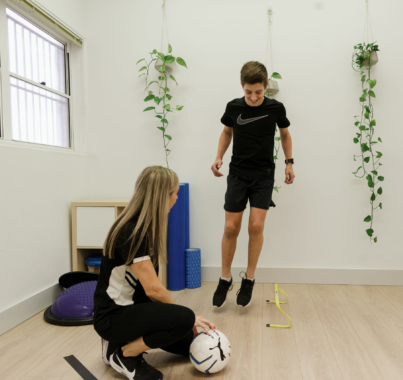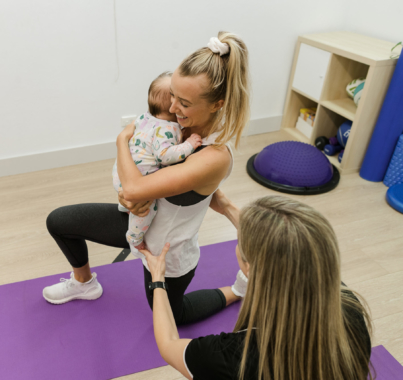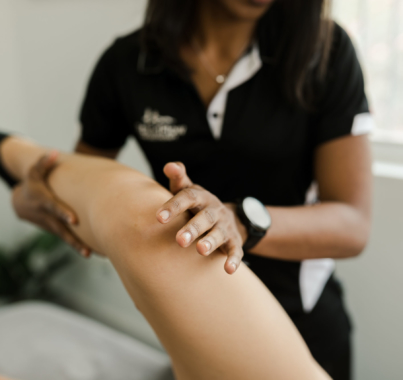
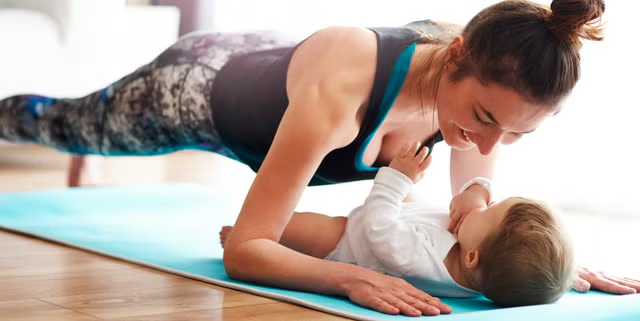
The return to exercise after having a baby is often filled with motivation, uncertainty, and plenty of conflicting advice. Whether you’ve had a straightforward pregnancy or a more complex journey, one thing is true for all women: your body has gone through significant change, and it deserves a thoughtful, guided return to movement.
This isn’t just about “getting back” to where you were. It’s about building a strong, resilient foundation for the long term.
Your Body Has Been Preparing for Months
Pregnancy itself is not a passive experience for the body. Over nine months, your body adapts to support your growing baby! This includes changes to:
– The pelvic floor (increased load and length)
– Abdominal wall (including abdominal separation)
– Ribcage and breathing mechanics
– Ligaments and joint stability
Even before delivery, these changes influence how your body manages pressures, load, and movement. This means your starting point postpartum is already different and should be respected.
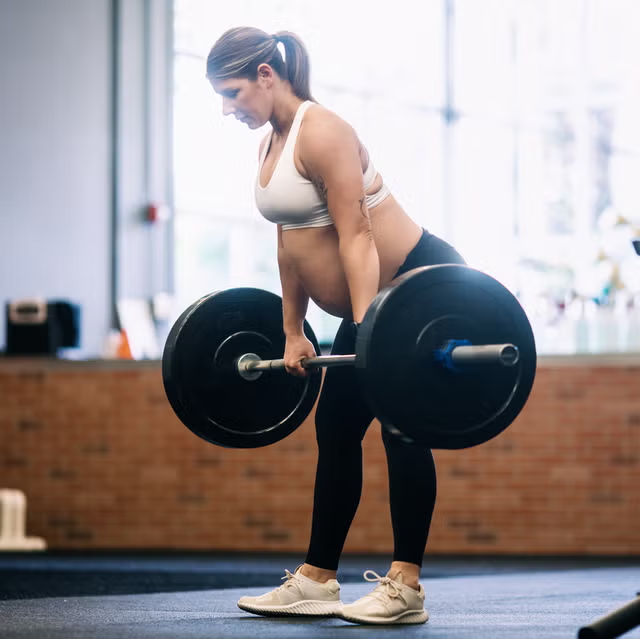
The Pelvic Floor: More Than Just “Kegels”
The pelvic floor plays a key role in continence, organ support, and managing pressure during movement. Postpartum, it may be:
– Weakened and/or stretched
– Overactive or tight
– Poorly coordinated with breathing
– Over-recruiting through abdominals
Simply doing generic pelvic floor exercises isn’t always enough, and in some cases, may not be appropriate. What matters most is how well your pelvic floor functions as part of your whole system.
Strength Before Intensity
One of the most common mistakes in postpartum recovery is progressing too quickly to high-impact or high-intensity exercise.
Before returning to running, heavy weights or HIIT training, it’s important to rebuild:
– Deep core control (including breath and pressure management)
– Pelvic floor strength and coordination
– Hip and lower limb strength
– Whole-body load tolerance
Think of this phase as laying the groundwork. Without it, your body may compensate, leading to pain, pelvic floor dysfunction or injury risk

Loading Matters More Than Time
While timelines are often used as a general guide, they don’t reflect your individual readiness to return to higher levels of exercise. What matters most is how well your body Is prepared to handle increased load.
Following pregnancy and birth, your capacity to tolerate load may have changed. This is due to:
– Physical demands of pregnancy
– Period of reduced activity postpartum
– Factors including sleep, energy levels, pelvic floor function and body positioning
Progressing exercise should involve a gradual and structured increase in load, with appropriate clearance before advancing intensity or impact. This ensures your body can adapt safely and reduces risk of overload or compensation.
Why Every Woman Should See a Physio Postpartum
A postpartum physiotherapy assessment is one of the most valuable steps you can take.
A Women’s Health Physiotherapist can:
– Assess your pelvic floor (strength, coordination, and function)
– Check for abdominal separation and core control
– Guide safe and progressive return to exercise
– Identify risk factors early
– Tailor a plan specific to your goals – whether thats walking, strength training, CrossFit, running, returning to sport, or simply activities of daily living.
Many postpartum issues – like leaking, heaviness or back pain, are common, however, they are not something you should “put up with”.

The Bigger Picture
Returning to exercise postpartum isn’t just about your physical recovery, it’s about confidence, longevity and feeling strong in your body again.
There is no one-size-fits-all approach to postpartum recovery. Every woman’s experience is different, and every return to exercise should be guided accordingly.
If there’s one takeaway – don’t leave it to guesswork. A tailored approach, guided by a physiotherapist, can make all the difference in your postpartum journey!