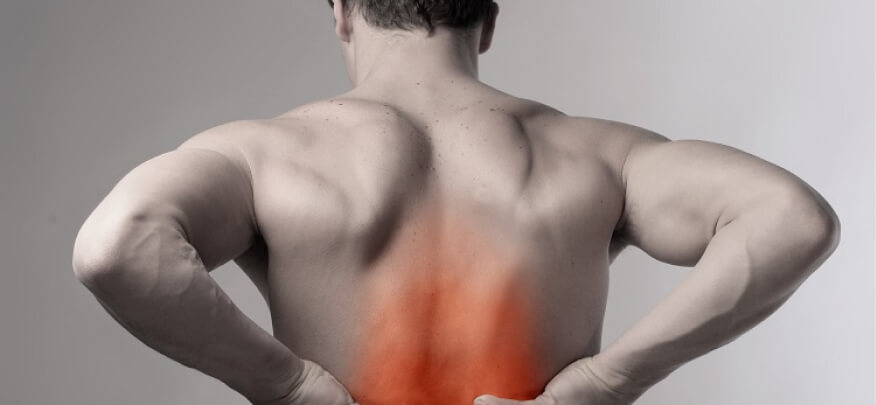
Why Your Thoracic Spine Matters More Than You Think!

When people think about spinal pain or stiffness, attention often goes straight to the neck or lower back. But sitting right in the middle is an area that plays a huge role in how we move, breathe, and perform every day – the thoracic spine!

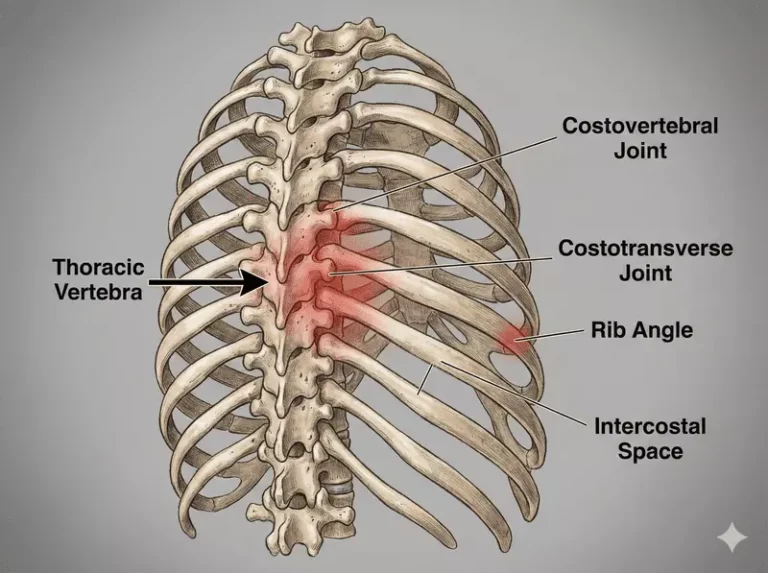
The thoracic spine refers to the mid-back region, made up of 12 vertebrae connected to the ribs. This area is designed for both stability and movement. It helps support posture, allows rotation and extension through the trunk, and protects vital organs including the heart and lungs.

Why Does the Thoracic Spine Become Stiff?

Modern lifestyles don’t do the thoracic spine many favours. Long hours sitting at desks, driving, studying, doomscrolling and repetitive sport positions can all encourage us into rounded postures over time.


When the thoracic spine spends prolonged periods in flexed or slouched positions, the surrounding joints, muscles, and connective tissues can gradually lose mobility. Many people begin to notice:

> Mid-back stiffness or tightness

> Neck tension or headaches

> Shoulder discomfort

> Difficulty rotating during sport

> Feeling “stuck” when trying tog to stand upright


Athletes can also develop thoracic stiffness from repetitive loading patterns. Cyclists, swimmers, runners, desk workers, and gym-goers commonly develop reduced mobility through the region due to the positions they spend the most time in.

Why Thoracic Mobility Is So Important


The thoracic spine is designed to rotate, extend, and move with breathing. When mobility is reduced, other areas of the body often compensate.

For example:

> Limited thoracic extension can increase load on the neck and shoulders

> Poor rotation can place extra stress through the lower back

> Restricted rib movement can affect breathing efficiency

> Shoulder movement can become limited if the upper back cannot move properly


Good thoracic mobility helps the body distribute load more efficiently. This becomes especially important running, throwing sport, swimming, lifting, golf, tennis, and even everyday tasks like reaching overhead or turning when driving.


The Link Between the Thoracic Spine and Breathing


One of the most overlooked roles of the thoracic spine is its relationship with breathing.

The ribs attach directly to the thoracic spine, meaning every breath requires movement through this area. During the efficient breath, the rib cage should expand in multiple directions while the diaphragm works alongside the the abdominal muscles and pelvic floor to manage pressure within the trunk.

When the thoracic spine and rib cage become stiff, breathing mechanics can change. People may begin to rely more heavily on shallow chest breathing, overuse the neck and upper shoulder muscles, or struggle to take full deep breaths during exercise.


Poor breathing can contribute to:

> Increased neck and shoulder tension

> Reduced exercise efficiency

> Feelings of stiffness through the chest and upper back

> Difficulty relaxing the nervous system

> Poor trunk pressure management during lifting or management
More Than Just Movement: Protection and Support

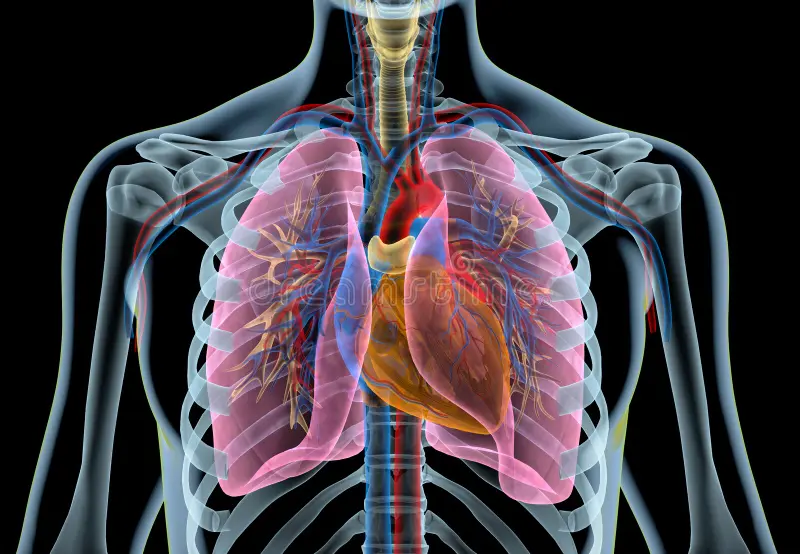
The thoracic spine also has an important protective role. Together with the rib cage, it forms a strong structure around vital organs including the heart and lungs.

Because of this protective role, the thoracic spine is naturally a little stiffer than the neck or lower back. It’s designed to provide stability while still allowing enough movement for breathing and rotation.

The goal isn’t excessive flexibility – it’s balance mobility, strength, and control
How Can You Keep Your Thoracic Spine Healthy?


Some simple ways to support thoracic mobility and function include:

> Regular movement breaks from sitting

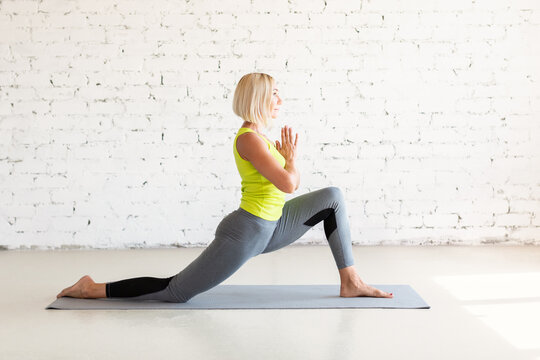
> Rotational and extension-based mobility exercises

> Strengthening the upper back and trunk muscles

> Improving breathing mechanics

> Gradually progressing training loads

> Maintaining variety in movement throughout the day


If you’re experiencing persistent mid-back stiffness, neck tension, restricted movement, or discomfort during sport or exercise, assessment from a physiotherapist can help identify what may be contributing and guide an appropriate management plan.

Your thoracic spine does far more than just “sit in the middle” of the body – it plays a key role in movement, breathing, posture, performance, and overall function every single day.


Risk Factors for Bone Stress Injuries

Bone stress injuries sit on a spectrum, from early stress reactions through to stress fractures – and they occur when bone breakdown temporarily outpaces bone repair. The key idea is that bone is dynamic tissue, constantly adapting to load. When the balance tips too far in one direction, especially over time, injury risk increases.

These risk factors rarely act in isolation. Most cases involve a combination of training load, recovery capacity, and individual physiology.

1. TRAINING LOAD FACTORS

Sudden increases in training load

One of the strongest risk factors is a rapid spike in load, for example, increasing running volume, intensity, or impact work too quickly. Bone adapts to load, but it needs time. When load is progressed faster than bone can remodel, micro-damage accumulates.

Change in training surface or terrain

Switching from softer to harder surfaces (eg. grass to pavement), or introducing hills, intervals or plyometric without gradual progress can significantly increase bone stress.

Repetitive impact sports

Sports involving high repetition loading such as running, gymnastics, basketball etc place continuous stress on bone, especially when combined with limited recovery.

2. RECOVERY AND ENERGY AVAILABILITY

Low Energy Availability

Low energy availability occurs when there is insufficient energy intake to support both exercise demands and the body’s basic physiological functions (eg. Bone turnover, hormone regulation, and immune fuction). This can occur both intentionally (dieting, weight goals) or unintentionally (high training loads without matching fuelling).

Common indicators may suggest low energy availability include:

– Persistent fatigue or poor recovery from training

– Unintentional weight loss or difficulty maintain weight

– Increased frequency of niggles or overuse injuries

– Reduced performance or training tolerance

– In some cases (particularly females), menstrual disturbances or loss of regular cycles.

Importantly, LEA does not only affect elite athletes, it can occur in recreational runners, adolescents, and individuals increasing training load without adjusting nutrition appropriately.


A sports dietitian plays a key role in assessment and management, helping to identify energy gaps, optimise fuelling around training and support adequate intake for bone health, recovery, and performance.


Inadequate recovery time

Bone requires recovery days to complete its remodelling process. Back-to-back high-load session without sufficient rest can tip the balance toward breakdown.


Sleep deficits

Sleep is a key time for tissue repair and hormonal regulation. Poor or insufficient sleep can negatively impact bone recovery and adaption.

3. BIOMECHANICAL AND STRUCTURAL FACTORS

Previous bone stress injury

A history of bone stress significantly increase recurrence risk, particularly if underlying contributing factors were not addressed.


Muscle strength and capacity deficits

Reduced strength or fatigue in key muscle groups can shift load directly onto bone, increasing stress.

4. HORMONAL AND PHYSIOLOGICAL FACTORS

Low oestrogen or menstrual dysfunction

Hormonal disruption can reduce bone density and impair bone remodelling capacity, increasing susceptibility to stress injury.


Low bone mineral density

Reduced bone density means less structural strength to tolerate repetitive load. This can increase susceptibility to bone stress injury, even with training loads that would otherwise be well tolerated.


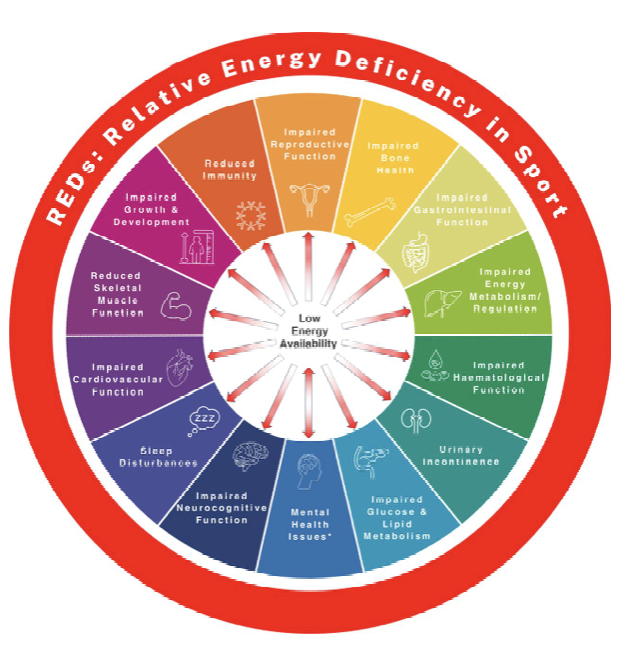
Relative energy deficit in sport (RED-S)

A broader condition affecting metabolic, hormonal, and bone health due to chronic energy imbalance.

5. ATHLETE AND LIFESTYLE FACTORS

High training motivation / pain ignoring behaviour

Continuing to train through early symptoms is a common factor that allows stress reaction to progress.


Adolescence and growth phases

During growth spurts, bone remodelling is already increased, and coordination between bone lengthening and strengthening may be temporarily mismatched.


KEY TAKEAWAY

Bone stress injuries are rarely caused by a single factor. They occur when load exceeds recovery capacity over time, influenced by training habits, nutrition, biomechanics, and physiology.

Early recognition of risk factors and modifying load before pain escalates, is one of the most effective ways to prevent progression from a stress reaction to a stress fracture.

Why Do My Hips Click?

Hip clicking is something most people notice at some point – during squats, walking up stairs, getting out of a car, or even just rolling over in bed. It can sound dramatic, but in many cases it’s completely benign.

The distinction isn’t the sound itself, it’s whether the click is painful, progressive or limiting movement.

What actually causes hip clicking?

The hip is a deep ball-and-socket joint surrounded by muscles, tendons, and a joint capsule. A click usually comes from one of these structures moving or changing position during motion.


Common causes include:

1. Tendons sliding over bone

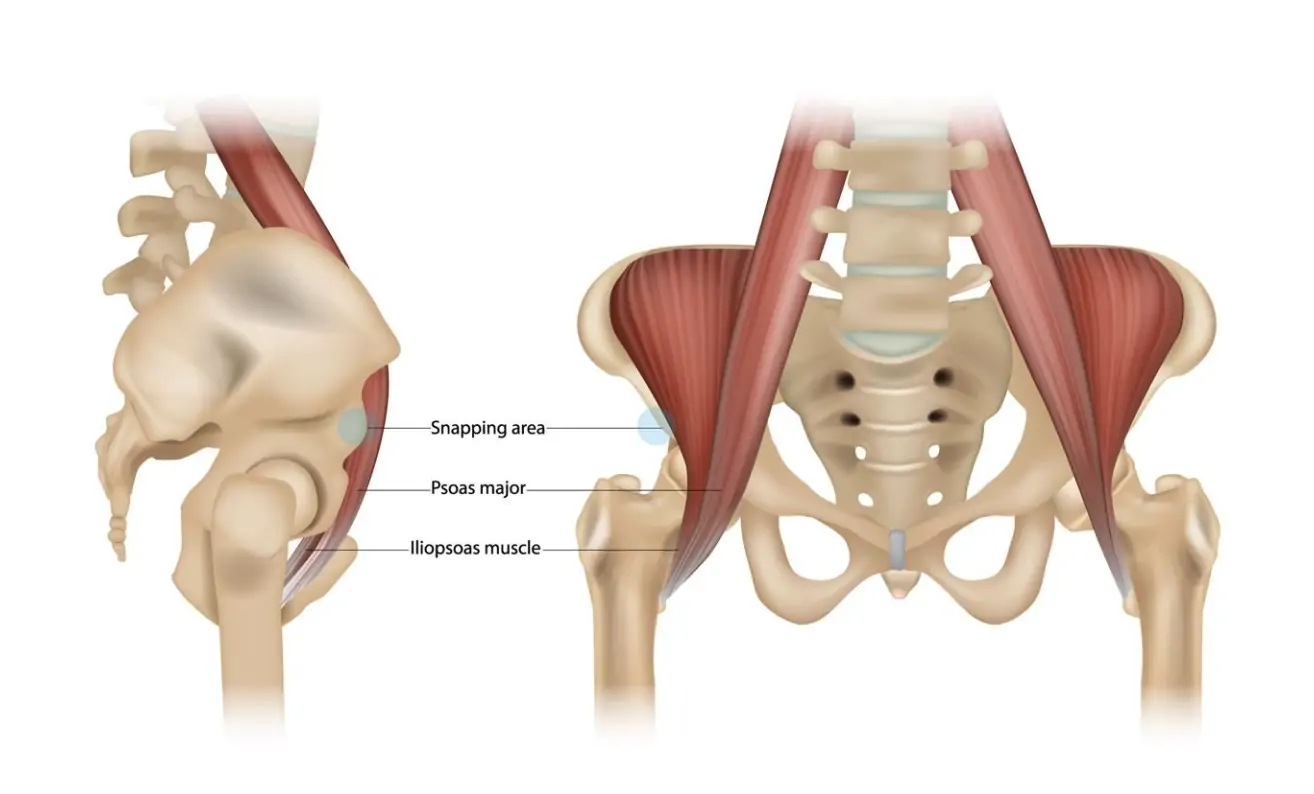
One of the most common reasons. Tendons from the hip flexors or glutes can flick over bony landmarks during movement, creating a snapping or clicking sensation

2. Normal pressure changes in the joint

Small shifts in joint fluid pressure can create a soft pop or click, similar to cracking knuckles.

3. Muscle control and coordination changes

If certain muscles are doing more work than others, movement can become less smooth, which may make clicking more noticeable during specific tasks or ranges

Where do you usually feel it?

– Front of the hip/ groin: often related to hip flexor tendon movement or deep hip motion

– Side of the hip: commonly linked to the gluteal tendons moving over the outer hip

– Deep inside the joint: may be related to joint mechanics or load through deeper ranges

The location can provide clues, but it doesn’t confirm diagnosis on its own.


When hip clicking is usually harmless

Clicking on its own is generally not concerning when:

– It is not painful

– It doesn’t worsen over time

– It doesn’t affect your ability to move, train, or function

– It is intermittent rather than constant

Many people have clicking hips long-term with no issues

When a click becomes more important: Painful hip clicking

A painful click is different. Pain suggests that the movement is now irritating a structure rather than just passing smoothly.

Painful clicking may be:

– Felt in the groin or front of the hip

– Occurring in deeper positions (squats, lunges, getting up from low chairs)

– Followed by a lingering ache after activity

– Associated with stiffness or a feeling of “pinching”

In these cases, it’s less about the sound and more about how the hip is tolerating load and range of motion.

What you should do if your hip click is painful

If clicking is accompanied by pain, the goal is not to “push through it” or aggressively stretch it out.

Instead, start with:


1. Modify aggravating positions

– Reduce depth in squats or lunges temporarily

– Avoid repeatedly pushing into the exact range that provokes the pinch

– Adjust training volume if symptoms flare after activity


2. Monitor load response

– Pay attention to how the hip feels 24-48 hours after activity

– If symptoms settle quickly, the load is usually acceptable

– If symptoms linger or worsen, it may need adjustment


3. Focus on control and strength

– Glute and hip stability work (bridges, side-lying work, single-leg control)

– Improving how the hip moves under load rather than just how far it moves

– Rebuilding tolerance gradually rather than avoiding movement completely


4. Don’t rely on stretching alone

– Stretching a painful hip that is already irritated can sometimes make symptoms worse

– The issue is often control and load, not just tightness

When to get it checked

It’s worth seeing a physiotherapist if:

– Painful clicking is persistent or recurring

– It limits your training, walking, or daily activities

– You feel catching, locking, or instability

– Symptoms are not improving with load modification

A physiotherapy can help determine whether the issue is tendon-related, joint-related, or movement-control related, and guide a clear plan forward.


The Takeaway

Hip clicking is often just a normal part of movement, especially when it is not painful.

If symptoms are present, seek advice from a health professional to help diagnose the issue, manage load, and guide appropriate treatment pathways.