Whether you’re heading to Perisher, Thredbo or planning an overseas snow trip, preparing your body before you leave can make all the difference.
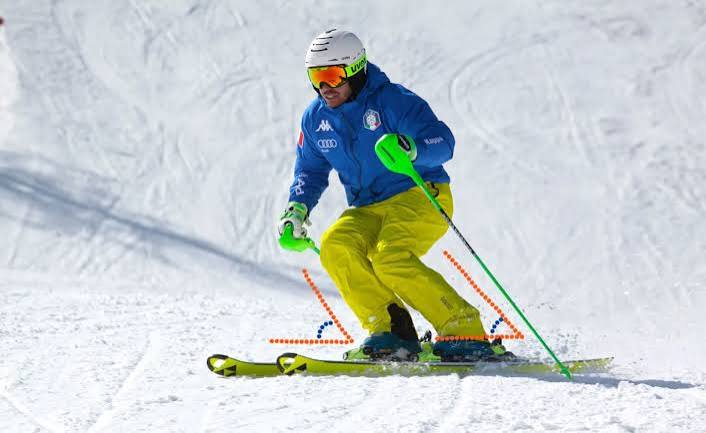
Skiing and snowboarding are physically demanding sports. They require you to absorb uneven terrain, maintain balance, react quickly and spend hours in a semi-squat position. If your joints aren’t moving well or your muscles aren’t prepared, your body will often compensate – and that’s when discomfort, fatigue and injury can creep in.
Here’s why your ankles, knees and hips deserve some attention before you hit the slopes!
Start from the ground up: Ankle Mobility
Your ankles are your foundations on the slopes!
Good ankle mobility allows your knees to move comfortably over your toes, helping you maintain a strong, athletic position inside your ski boots or snowboard bindings. It also helps you absorb bumps, control your turns and adapt to changing terrain.
When ankle mobility is limited, it’s common to compensate through the knees, hips or lower back. This can reduce control, increase muscle fatigue and make it harder to stay balanced throughout the day.
QUICK CHECK: Try the Knee-to-Wall Test
> Keep your heel flat on the floor
> Touch your knee to the wall
> Aim for appox. 10cm between your big toe and the wall.
> Compare both sides!
Knee Mobility: More than just bending
While your knees don’t require huge amounts of mobility, they do need to move comfortably through a squat position.
Whether you’re carving turns, riding moguls or getting on and off the chairlift, your knees are constantly bending and absorbing load.
If knee movement is restricted due to stiffness, previous injury or pain, you may find yourself relying more on your hips or back. This reduces efficiency and increases fatigue.
Equally important is having the strength to repeatedly control these movements over a full day on the mountain.
QUICK CHECK: CAN YOU HOLD A WALL SIT?
> Slide your back down a wall until your knees are around 90degrees
> Keep your feet flat and knees tracking over your toes.
> Hold the position for as long as you can with good control
> Aim for 45-60seconds. Bonus if you can do this 3-4x
Hip Mobility: Your Steering Wheel
Your hips play a huge role in balance, control and generating movement.
Good hip mobility allows you to stay centred over your skis or board, while making smooth, controlled turns. It also helps distribute forces through the lower body rather than overloading one particular joint.
Stiff hips can make it harder to maintain good posture, particularly as fatigue sets in later in the day.
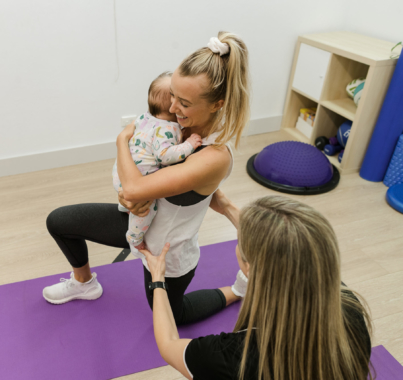
Strong glute muscles also help improve stability, reducing unnecessary stress on the knees!
QUICK CHECK: Try this 90/90 hip rotation test
> Sit on the floor with both knees bent at 90degrees, feet wider than your knees.
> Rotate your knees side to side, while keeping your chest tall.
> Compare both sides.
> Aim for: Smooth, controlled movement, with no pinching or sharp pain.
Mobility is only half the story
While good joint mobility is important, it’s only one piece of the puzzle. Preparing for the snow should also include:
> Strength training
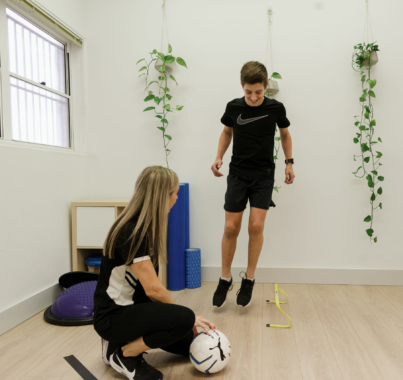
> Single leg balance
> Core control
> Plyometric exercises
> Cardiovascular fitness
The stronger and more conditioned your body is before your trip, the more you’ll enjoy long days on the mountain.
SNOW READY checklist:
Before your next ski or snowboard trip, see if you can tick these off:
> Knee-to-Wall test: ~10cm both sides
> Comfortable body weight squat
> Hold single leg balance for 30seconds each side. BONUS – do this on uneven surface eg. grass, sand etc
> Complete 25 single leg calf raises each leg
> Hold a wall sit for 60seconds. BONUS – complete this 3 times!
> Walk, hike or cycle comfortably for 30-45minutes.
Ready to hip the slopes?
A little preparation before your trip can go a long way towards improving your confidence, reducing fatigue and helping you get the most out of every run.
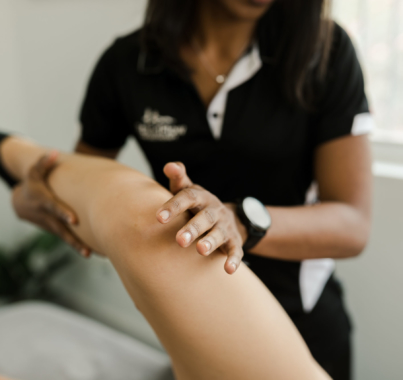
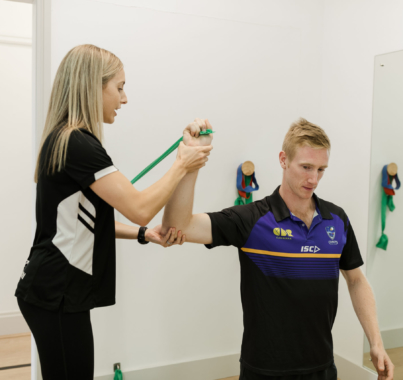
If you’re dealing with stiffness, recovering from an injury or simply want to make sure you’re snow ready, our physiotherapists can assess your mobility, strength and movement to help you enjoy a safer and stronger ski season.